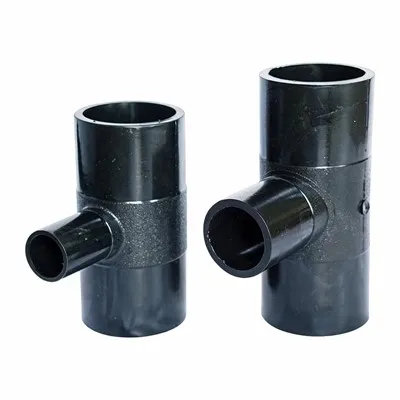
Hey there, folks! I’m a supplier of Butt Fusion Drainage Fittings, and I get a lot of questions about installing these fittings in pipelines with different diameters. So, I thought I’d put together this blog post to share some tips and tricks. Butt Fusion Drainage Fittings
Understanding the Basics
First things first, let’s talk about what butt fusion is. Butt fusion is a method of joining two pieces of pipe or fitting by heating the ends and then pressing them together. This creates a strong, leak – free joint. When dealing with pipelines of different diameters, it’s a bit more complex, but it’s definitely doable.
The key to a successful butt fusion installation is having the right equipment. You’ll need a butt fusion machine, which comes in different sizes to accommodate various pipe diameters. Make sure the machine is in good working condition and is calibrated correctly. You’ll also need pipe cutters, deburring tools, and measuring devices to ensure accurate cuts and proper alignment.
Pre – installation Checks
Before you start the installation process, there are a few checks you need to do. First, inspect the pipes and fittings. Look for any cracks, scratches, or other damages. Damaged pipes can lead to weak joints and leaks later on. If you find any defects, replace the affected parts.
Next, measure the diameters of the pipes carefully. You’re dealing with different diameters here, so precision is crucial. Use a caliper to get accurate measurements. Note down the outer and inner diameters of both pipes. This will help you choose the right adapter fitting if needed.
Also, clean the pipe ends thoroughly. Any dirt, grease, or debris can prevent a proper fusion. Use a clean cloth and a mild solvent to wipe the surfaces. Make sure the pipes are dry before you proceed.
Selecting the Right Fittings
When it comes to pipelines with different diameters, you’ll often need adapter fittings. These fittings are designed to connect pipes of different sizes. There are different types of adapter fittings available, such as reducing couplings and transition pieces.
The choice of fitting depends on the specific diameters of your pipes and the requirements of your project. For example, if the difference in diameters is small, a reducing coupling might work well. But if there’s a significant difference, you might need a transition piece that gradually changes the diameter.
As a supplier, I can help you select the right fittings for your project. Just give me the details of the pipe diameters, and I’ll recommend the best options.
Setting Up the Butt Fusion Machine
Once you’ve got your pipes and fittings ready, it’s time to set up the butt fusion machine. First, adjust the machine according to the pipe material. Different materials, like PVC, HDPE, etc., have different fusion temperatures and pressure requirements. Refer to the manufacturer’s guidelines for the correct settings.
Place the pipes in the machine’s clamping device. Make sure they are centered and aligned properly. The alignment is super important, especially when dealing with different diameters. Any misalignment can result in a weak joint. Use the alignment tools provided with the machine to ensure a perfect fit.
Heating the Pipe Ends
Now it’s time to heat the pipe ends. Turn on the heating element of the butt fusion machine and wait for it to reach the correct temperature. Once it’s ready, carefully place the pipe ends against the heating plate. Hold them there for the recommended time, which again depends on the pipe material and diameter.
Keep an eye on the clock. Overheating can cause the material to degrade, while under – heating won’t create a strong enough bond. It’s a bit of a balancing act, but with a little practice, you’ll get the hang of it.
Joining the Pipes
After the pipe ends are heated to the right temperature, quickly remove them from the heating plate. Then, bring them together and apply pressure. The pressure should be consistent and in line with the manufacturer’s recommendations. This will force the melted material to blend and create a solid joint.
Hold the pipes in place for the specified cooling time. During this time, the joint will solidify. Don’t move or disturb the pipes while they are cooling. Any movement can disrupt the fusion process and lead to a faulty joint.
Quality Control
Once the joint has cooled, it’s time for some quality control. Inspect the joint visually. Look for any signs of unevenness, gaps, or bubbles. A good joint should have a uniform bead around the perimeter.
You can also do a simple pressure test. Close off one end of the pipeline and apply a small amount of pressure to check for leaks. If you find any leaks or other issues, you may need to cut the joint and start over.
Troubleshooting Common Issues
Sometimes, things don’t go as planned. One common issue is a weak joint. This can be caused by improper heating, misalignment, or insufficient pressure. If you suspect a weak joint, you may need to re – heat the pipe ends and re – join them, making sure to correct the underlying problem.
Another issue is a deformed joint. This can happen if too much pressure is applied during the fusion process. If you notice a deformed joint, you’ll need to cut it out and start fresh.
As a supplier, I’ve seen these issues many times, and I can offer advice on how to troubleshoot them. Just give me a shout, and I’ll do my best to help.
Safety Precautions
Installing butt fusion drainage fittings is not without risks. The heating element of the butt fusion machine gets very hot, so you need to wear protective gloves when handling the pipes during the heating process. Also, make sure the area is well – ventilated, especially if you’re working indoors, as the fumes from the melting plastic can be harmful.
Keep the work area clean and organized. Tools and equipment should be stored properly to avoid tripping hazards. And always follow the safety guidelines provided by the machine and fitting manufacturers.
Why Choose Our Products
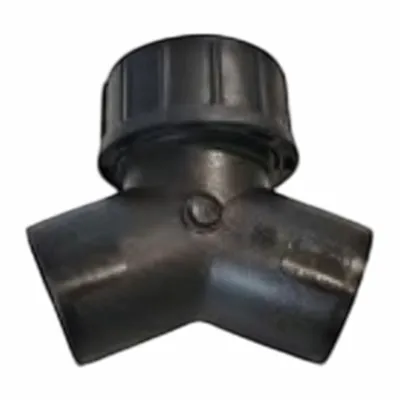
As a supplier of Butt Fusion Drainage Fittings, I’m proud to say that our products are of the highest quality. We source the materials from reliable suppliers and use state – of – the – art manufacturing processes. Our fittings are designed to withstand high pressures and harsh environments, ensuring long – term performance.
We also offer a wide range of fittings to meet different project needs. Whether you’re working on a small residential project or a large commercial one, we’ve got the right fittings for you. And if you’re unsure about which fitting to choose, our team of experts is always here to help.
Contact Us for Your Purchase
ASTM IPS Inch Butt Fusion Fittings If you’re looking to purchase Butt Fusion Drainage Fittings for your pipeline project, don’t hesitate to get in touch. We can provide you with detailed product information, competitive pricing, and excellent customer service. Whether you need a single fitting or a large quantity, we can meet your requirements. So, drop us a line and let’s start talking about your project!
References
- "Pipe Joining Handbook", published by Pipe Manufacturers Association
- Manufacturer’s manuals of various butt fusion machines
Qingdao Polyfusion Machinery Co., Ltd.
As one of the most professional butt fusion drainage fittings manufacturers and suppliers in China, we have world-leading production equipment and strong manufacturing capabilities. Please feel free to buy bulk high quality butt fusion drainage fittings from our factory.
Address: Chengyang Industry Zone, Chengyang, Qingdao, Shandong, China
E-mail: export01@qdpolyfusion.com
WebSite: https://www.polyfusionfittings.com/
