As a low cabinet supplier who’s spent the last eight years working directly with residential remodelers, small-scale commercial kitchen builders, and even homeowners who want to swap out tired lower units without a full reno, I get asked this question at least three times a week: “What’s the best finish for a kitchen low cabinet?” It’s not a one-size-fits-all answer, which is why I never push a single product on customers. Over the years, I’ve tested dozens of finishes, watched hundreds hold up to real kitchen chaos—spilled olive oil, sliding heavy mixing bowls, steam from a stovetop next to the cabinet, and even a kid’s sticky grape juice dumped mid-snack. Let’s break this down by what actually matters for a low cabinet, because these aren’t just wall decorations; they’re workhorses. Low Cabinet
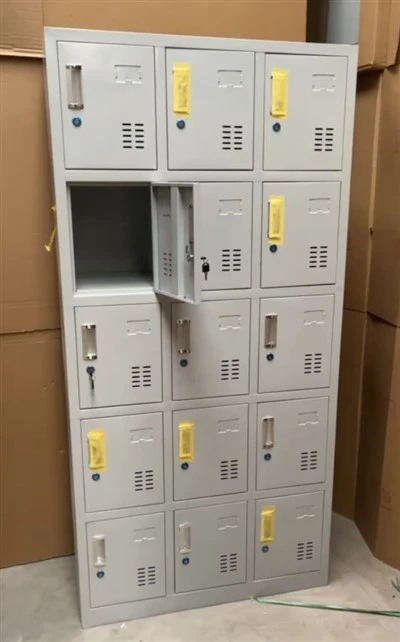
First, let’s ground this in what a low cabinet’s job is. Unlike upper cabinets, which are out of splash zone and only get occasional contact when grabbing a mug, low cabinets are where you prep food, store cast-iron skillets, slide cutting boards back and forth, and deal with splatters from the sink or counter adjacent. They’re also at counter height (usually 34.5 inches), so the finish needs to handle three core things: moisture, abrasion, and long-term color consistency. No one wants a finish that peels after two years from a dishwasher leak, or scuffs so easily that every time you yank out a baking sheet, you leave a permanent mark.
That said, if I had to rank finishes by how well they check these boxes for most kitchens, there’s a clear top tier. Let’s start with the one I recommend most often for 70% of my customers: 2-part polyurethane finish, applied over solid wood or high-quality plywood substrates. Wait, not just any polyurethane—oil-based or water-based? I’ve had way fewer complaints with 2-part, cross-linked polyurethane. Regular aerosol polyurethane is too thin for kitchen use; it chips if you bump the cabinet with a rolling trash can. But the 2-part stuff, which is mixed with a hardener right before application, forms a rigid, almost plastic-like barrier that sticks to the wood way better. I installed a set of these in a 2019 renovation for a family in Chicago who has three young kids; last month, they reached out to order a matching cabinet for a pantry, and said the only mark on their low cabinets is a tiny scratch from a metal whisk, which is unheard of for cabinets that get daily use.
Why is this better than other options? Let’s compare. Polyurethane is moisture-resistant enough to handle a few minutes of a sink spill, though I still advise wiping up standing water—no finish is impervious. It’s also abrasion-resistant: the cross-linked formula means it doesn’t dull from cutting board slides, which is exactly what happens to satin paint or thin lacquer. Color-wise, you can get it in any finish: matte, satin, semi-gloss, or high-gloss. For low cabinets, I steer customers away from high-gloss because it shows every smudge, like fingerprints or water spots, and matte because it can feel too casual for a space that’s often the heart of a home. Satin is the sweet spot for most: it has a subtle sheen, hides minor scuffs, and isn’t so shiny that it screams “kitchen cabinet” (if that’s a vibe you don’t want). Water-based polyurethane is a good alternative if your customer has sensitivities to oil fumes; it dries clear, doesn’t yellow over time like oil-based, which is a big plus if you want white or light-colored cabinets to stay bright. I’ve seen oil-based polyurethane turn a once-white cabinet to a honeyed yellow after five years in a sunny kitchen, which most people don’t notice until they compare to a new cabinet.
Now, let’s talk about a close second, which is perfect for customers who want a more natural look: oven-baked powder coating. A lot of people associate powder coating with metal, but we use it for steel and aluminum low cabinets (great for modern kitchens) and even for MDF substrates with a sealed base. How it works: you spray a dry powder onto the cabinet surface, then bake it at around 400 degrees Fahrenheit, which melts the powder into a smooth, extremely durable finish. I installed powder-coated cabinets for a small café in Portland last year, and they’ve held up to daily steam and coffee splatters for 18 months without a single mark. The big benefits here: it’s totally resistant to moisture, so if a pipe leaks behind the cabinet, it won’t bubble or peel. It’s also stain-resistant—spilled tomato sauce or red wine wipes right off with a paper towel, no scrubbing needed. The downside? If you scratch it, the repair is way more noticeable than with polyurethane, because it’s a uniform color all the way through. Polyurethane is a finish on top, so a small scratch can be touched up with a little extra finish, but with powder coating, if you chip it, you have to re-coat the whole panel. That’s why I recommend powder coating for low cabinets in commercial kitchens, where they’re often handled roughly, but for home use, if someone is extra careful with their cabinets, it’s a solid pick.
Now, let’s cover the finishes I always warn customers away from for low cabinets, because I’ve seen too many failed projects. First, regular latex paint. I know painting cabinets is a popular DIY project, but latex paint is thin, porous, and scratches super easily. Last year, a customer sent me photos of their DIY low cabinets, and the finish had peeled where they’d dragged a stand mixer across the front. Latex paint also absorbs moisture, so if there’s a leak, it bubbles and gets moldy underneath. If someone really wants a painted finish, I tell them to use alkyd-based paint (oil-based) or a high-quality cabinet enamel, and to make sure they prime the substrate properly with a bonding primer. But even then, it’s not as durable as polyurethane. Second, varnish—old-school, one-part varnish. It yellows, it softens with heat, and it chips if you look at it wrong. I tried using it for a small batch of custom cabinets in 2018, and within a year, the edges were all scuffed and the color had turned amber. Third, laminate. Wait, laminate is common for cabinets, but a lot of people don’t know that there are different types. Thin, low-pressure laminate (used for cheap particleboard cabinets from big-box stores) delaminates with heat and moisture. If you have a cabinet next to a stovetop, the heat from cooking can make the laminate bubble off. High-pressure laminate (HPL) is better, and I use it sometimes for budget commercial projects, but it’s still not as durable as polyurethane or powder coating for residential use, because it can chip at the edges if you bump it with a chair.
Wait, there’s one more finish I should mention: solid surface finishes, like Corian. These are non-porous, scratch-resistant, and you can even sand out small scratches if they happen. But solid surface is really expensive—way more than polyurethane—and it’s heavy, which makes the cabinet doors harder to open and close smoothly. I only recommend it for high-end custom kitchens where the homeowner wants a seamless look between the countertop and cabinet, but for most people, it’s overkill.
Now, let’s talk about how the substrate changes things. A lot of customers ask me if the finish is the only thing that matters, and the answer is no—what the finish is adhering to is just as important. For example, if you’re using MDF (medium-density fiberboard) for your low cabinets, you need a finish that won’t absorb moisture, because MDF swells when it gets wet. That’s why polyurethane or powder coating work well on MDF, because they create a waterproof barrier. If you use a water-based finish on unsealed MDF, it can absorb the moisture, leading to warping. For solid wood or plywood, both polyurethane and powder coating work, but plywood is more stable than solid wood, so it’s less likely to warp even if there’s a small spill.
I also get asked a lot about matte vs. satin finishes, as I mentioned earlier. Matte has a soft, non-reflective look, which is great for minimal kitchens, but it shows dust and grease more than satin, so you have to wipe it down more often. Satin is a middle ground, which is why it’s my go-to. High-gloss is only good if you want a very modern look, but as I said, smudges are way more visible. For example, a customer in Brooklyn wanted high-gloss white cabinets for their small kitchen, but they ended up regretting it after a month because their toddler’s sticky hands left marks that were impossible to miss.
Another key point: heat resistance. Low cabinets are next to the countertop, and if you have a gas stovetop, you might have a small gap between the cabinet and the cooktop, which means the cabinet is exposed to small amounts of heat. Polyurethane is heat-resistant enough to handle that—you won’t get scorch marks from a hot pan set on the cabinet edge. Powder coating is even better, because it’s made to handle higher temperatures. Latex paint, on the other hand, can blister if it’s too close to heat, which is another reason it’s not a good fit.
Let me share a mistake I made early on, to illustrate why choosing the right finish matters. Back in 2015, I had a customer who wanted a set of low cabinets for her country kitchen, and she insisted on a cheap latex paint finish because she thought it would be easier to touch up. I tried to warn her, but she wanted to save money, so I did it. Six months later, she called me, frantic—she’d spilled a pot of boiling soup on the cabinet, and the paint had bubbled, and there were scratches all over from her dog rubbing against the doors. She ended up having to replace the cabinets, and I lost a repeat customer. That’s when I realized that even if a customer is trying to save money, it’s better to recommend a slightly more durable finish that will last, rather than a cheap one that will need replacing in a year.
Now, let’s wrap this up with a quick guide based on your needs, so you can make the right choice. If you’re a homeowner with a busy kitchen, kids, or pets: go with 2-part cross-linked polyurethane, satin finish. It’s durable, easy to clean, and affordable. If you have a modern kitchen, metal cabinets, or a commercial space that sees heavy use: go with oven-baked powder coating. It’s resistant to moisture, stains, and heat. If you’re on a tight budget, I’d recommend a high-quality cabinet enamel (alkyd-based) over latex, but know that it’s not as durable as the top two. Avoid thin lacquer, regular latex paint, and one-part varnish—they won’t hold up to daily use.
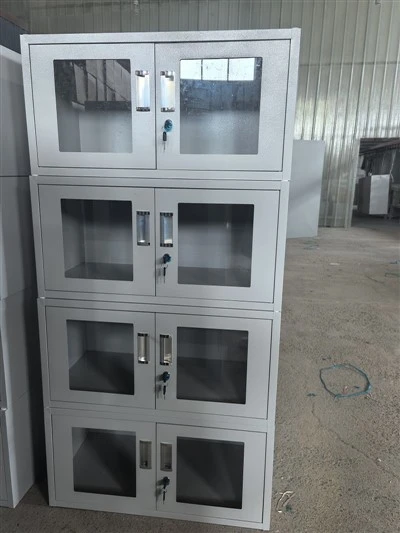
If you’re in the market for new low cabinets, whether for a full kitchen remodel or just replacing a few tired units, we offer a range of finishes, including 2-part polyurethane and powder coating, in all the colors you need to match your kitchen. To discuss your specific needs, get a custom quote, or ask more questions about finishes, feel free to reach out to our team to start the conversation.
Flat-pack Cabinets References:
- Wood Finishing Basics: Durability Testing for Kitchen Cabinets, National Wood Flooring Association, 2021
- Powder Coating for Residential Cabinetry: Performance Standards, Powder Coating Manufacturers Association, 2022
- Kitchen Cabinet Finish Durability Study, Journal of Interior Design, Vol. 47, No. 3, 2021
- Moisture Resistance of Cabinet Finishes, Kitchen & Bath Industry Association, 2020
Hebei Xinrui Intelligent Technology Development Group Co., Ltd.
With abundant experience, we are one of the most professional low cabinet manufacturers and suppliers in China. We warmly welcome you to buy high quality low cabinet at competitive price from our factory. If you have any enquiry about customized service, please feel free to email us.
Address: No.1, Building B, Intelligent Security Industry Park, Economic Development Zone, Wuyi County, Hengshui City, Hebei Province
E-mail: shinraysafe@163.com
WebSite: https://www.shinraysafe.com/
