As a supplier of Electronic Component Flammability Testers, I’ve faced numerous inquiries from clients, especially those working with high – voltage electronic components. The question on everyone’s mind is, "Can the Electronic Component Flammability Tester test high – voltage electronic components?" In this blog post, I’ll delve into this query, exploring the capabilities, limitations, and considerations of using our flammability testers for high – voltage components. Electronic Component Flammability Tester

Understanding the Basics of Electronic Component Flammability Testers
Before we tackle the question regarding high – voltage components, it’s essential to understand what an Electronic Component Flammability Tester does. These testers are designed to evaluate the flammability characteristics of electronic components. They subject samples to specific heat sources or flame conditions and measure parameters such as ignition time, burn time, and the extent of burning. This data helps manufacturers ensure that their components meet safety standards and regulations, such as UL 94 (Underwriters Laboratories Standard for Tests for Flammability of Plastic Materials for Parts in Devices and Appliances).
Characteristics of High – Voltage Electronic Components
High – voltage electronic components, such as power transformers, high – voltage capacitors, and some types of circuit breakers, operate under significantly high electrical stress. They are often used in power distribution systems, industrial machinery, and high – power electronic devices. These components have unique properties that set them apart from low – voltage counterparts.
Firstly, high – voltage components are typically designed to withstand high electrical fields, which often require special insulation materials. These insulation materials can have different flammability characteristics compared to standard plastics used in low – voltage components. Secondly, the heat generated during normal operation or in the event of a fault can be much higher in high – voltage components. This increased heat can potentially accelerate the combustion process and change the flammability behavior.
Can Our Flammability Tester Test High – Voltage Components?
The short answer is, yes, our Electronic Component Flammability Tester can test high – voltage electronic components, but with certain caveats.
Our testers are designed with a high degree of flexibility to accommodate different types of components. They can be adjusted to mimic a variety of real – world conditions, including different heat sources and flame intensities. When it comes to high – voltage components, we can modify the testing parameters to account for the higher heat generation and the unique properties of the insulation materials.
For example, we can increase the duration of the test or the intensity of the heat source to simulate the extreme conditions that high – voltage components might experience during a fault or overload. Our testers are also equipped with advanced sensors that can accurately measure the ignition time and burn rate, even in the presence of high electrical fields.
However, it’s important to note that safety is our top priority. When testing high – voltage components, we ensure that the testing environment is properly grounded and insulated to prevent any electrical hazards. Our testers are also designed to detect any abnormal electrical activities during the test and automatically shut down the system to protect the operators.
Limitations and Considerations
While our Electronic Component Flammability Tester is capable of testing high – voltage components, there are some limitations and considerations to keep in mind.
One of the main limitations is the size and shape of the high – voltage components. Some high – voltage components, such as large power transformers, can be very bulky and heavy. Our testers have a certain size and weight capacity, and if the component exceeds these limits, it may not be possible to test it directly. In such cases, we can take samples from the component for testing or use simulation techniques to predict the flammability behavior of the entire component.
Another consideration is the presence of electrical currents during the test. High – voltage components are often energized, and the electrical current can have an impact on the flammability results. To minimize this effect, we recommend testing de – energized components whenever possible. However, in some cases, such as when testing the flammability of components under fault conditions, it may be necessary to test the components while they are energized. In these situations, we take extra precautions to ensure the safety of the operators and the accuracy of the test results.
Specialized Testing for High – Voltage Components
In addition to the standard flammability tests, we also offer specialized testing services for high – voltage components. These tests are designed to address the unique challenges and requirements of high – voltage applications.
For example, we can perform arc – tracking tests on high – voltage insulation materials. Arc – tracking is a phenomenon where an electric arc forms on the surface of an insulating material, causing it to carbonize and potentially start a fire. Our arc – tracking tests simulate this process and measure the resistance of the insulation material to arc – tracking.
We also offer thermal runaway tests for high – voltage batteries. Thermal runaway is a dangerous condition where a battery overheats and can lead to a fire or explosion. Our thermal runaway tests can help manufacturers identify potential safety risks and improve the design of their high – voltage batteries.
Working with Us
If you are a manufacturer of high – voltage electronic components, we understand the importance of ensuring the safety and reliability of your products. Our Electronic Component Flammability Testers are designed to meet the highest standards of accuracy and safety, and our team of experts is ready to assist you in conducting the most comprehensive flammability tests for your high – voltage components.
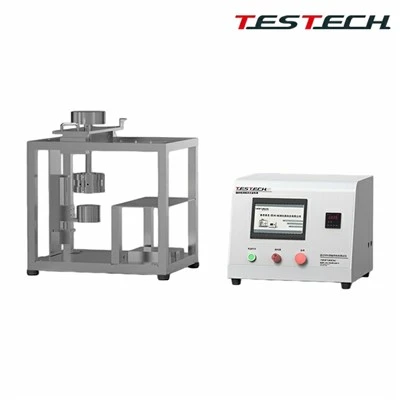
Whether you need to test a single component or conduct a series of tests on a large production batch, we can provide you with customized testing solutions that meet your specific needs. We also offer training and support services to help you operate our testers effectively and interpret the test results accurately.
Building Materials Flammability Tester If you are interested in learning more about our Electronic Component Flammability Testers and how they can be used to test high – voltage components, please don’t hesitate to contact us. We look forward to discussing your requirements and finding the best solution for your business.
References
- UL 94 Standard for Tests for Flammability of Plastic Materials for Parts in Devices and Appliances.
- IEC 60695 – 2 – 11:2014 Fire hazard testing – Part 2 – 11: Glow – wire/needle – type test methods – Glow – wire flammability index (GWFI) test for materials.
- ASTM D635 – 14e1 Standard Test Method for Rate of Burning and/or Extent and Time of Burning of Self – Supporting Plastics in a Horizontal Position.
TESTech Instrument (Suzhou) Technologies
TESTech Instrument (Suzhou) Technologies is one of the most reliable electronic component flammability tester manufacturers and suppliers in China. If you’re going to wholesale durable electronic component flammability tester, welcome to get quotation from our factory. For price consultation, contact us.
Address: 8/F, R&D and Production Workshop No. 5, Jiangsu Guoqian Technology Innovation Industrial Park, 168 Lüliangshan Road, Huqiu District, Suzhou, Jiangsu Province, China
E-mail: sales@testech.com.cn
WebSite: https://www.testechfiretest.com/
