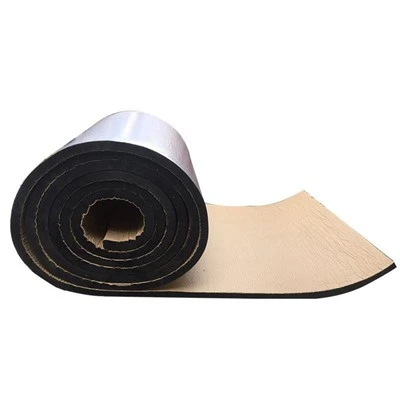
Hey there! I’m a supplier of the Fireproof Board Series. Over the years, I’ve seen firsthand how important proper ventilation is when using these boards. In this blog, I’ll share some tips on how to ensure that you’re getting the right amount of airflow when you’re working with our fireproof boards. Fireproof Board Series
Why Proper Ventilation Matters
Let’s start by talking about why proper ventilation is so crucial. Fireproof boards are treated with various chemicals to make them resistant to fire. While these chemicals are generally safe, some of them can release fumes, especially when the boards are being cut, sanded, or installed. Breathing in these fumes for an extended period can be harmful to your health, causing respiratory issues, irritation of the eyes and throat, and in some cases, more serious long – term health problems.
Proper ventilation helps to remove these fumes from the air, keeping the air quality in your workspace or living area safe. It also helps to prevent the buildup of heat, which can be a concern, especially in a fireproof board installation. When you’re cutting or installing the boards, the friction can generate heat, and if there’s no proper ventilation, this heat can cause the boards to warp or even potentially damage other materials in the vicinity.
Assessing Your Space
Before you start working with the Fireproof Board Series, it’s important to assess the space where you’ll be using the boards. Is it a large open area, like a factory floor or a large workshop? Or is it a smaller, confined space, such as a closet or a small basement?
For larger areas, natural ventilation might be sufficient in some cases. You can open windows and doors to allow fresh air to circulate. However, you still need to consider the direction of the wind and the layout of the space. For example, if you have a large warehouse, you might need to open multiple doors and windows at opposite ends to create a cross – draft.
In smaller, confined spaces, natural ventilation might not be enough. You’ll need to rely on mechanical ventilation systems. These can include exhaust fans, which are great for pulling the fumes out of the room, or air purifiers, which can help to filter out any remaining particles in the air.
Types of Ventilation Systems
There are a few different types of ventilation systems that you can use when working with fireproof boards.
Natural Ventilation
As I mentioned earlier, natural ventilation is the simplest form. It involves opening windows and doors to let fresh air in and allow stale air, along with the fumes, to escape. The key here is to create a path for the air to flow through the space. For example, if you’re working in a room with a window on one side and a door on the other, opening both can create a good cross – draft. However, natural ventilation is highly dependent on the weather conditions. If it’s raining or very cold outside, you might not be able to rely on this method.
Mechanical Ventilation
Mechanical ventilation systems are a more reliable option, especially in areas where natural ventilation isn’t sufficient.
-
Exhaust Fans: These are one of the most common types of mechanical ventilation. You can install exhaust fans in the ceiling or on the walls to pull the fumes out of the room. Make sure the exhaust fan is powerful enough for the size of the space. For a small room, a single exhaust fan might be enough, but for a larger area, you might need multiple fans.
-
Air Purifiers: Air purifiers are great for filtering out the fine particles and chemicals in the air. They come in different sizes and types, so you can choose one that suits your needs. Some air purifiers use HEPA filters, which are very effective at capturing small particles, while others use activated carbon filters, which can help to remove odors and chemicals.
-
Ventilation Ducts: In larger commercial or industrial settings, ventilation ducts can be installed to distribute fresh air throughout the space and remove the fumes. These ducts are connected to an air handling unit, which can be adjusted to control the airflow.
Installation and Maintenance
When you’re installing the ventilation system, it’s important to do it correctly. If you’re using an exhaust fan, make sure it’s properly mounted and sealed to prevent any air leakage. The ductwork for the exhaust fan should be as straight and short as possible to ensure maximum efficiency.
Regular maintenance of the ventilation system is also crucial. Clean the exhaust fans and air purifiers regularly to keep them working effectively. Replace the filters in the air purifiers according to the manufacturer’s instructions. For ventilation ducts, have them inspected and cleaned periodically to remove any dust or debris that might accumulate.
During Installation and Usage
While you’re installing the Fireproof Board Series, there are a few things you can do to enhance ventilation.
-
Work in Stages: Instead of cutting or installing a large number of fireproof boards all at once, work in smaller stages. This way, you can control the amount of fumes being released at any given time.
-
Use Localized Ventilation: If you’re cutting the boards, you can use a portable dust collector or a small exhaust hood directly at the cutting area. This can help to capture the fumes right at the source, preventing them from spreading throughout the room.
-
Monitor the Air Quality: You can use air quality monitors to keep track of the levels of pollutants in the air. If the air quality starts to deteriorate, you can adjust your ventilation system accordingly.
After Installation
Once the fireproof boards are installed, it’s still important to maintain proper ventilation. In a newly installed area, there might still be some residual fumes, and proper ventilation will help to clear them out.
- Keep the Ventilation System Running: Run the exhaust fans or air purifiers for a few days after the installation to ensure that all the fumes are removed.
- Open Windows and Doors Regularly: Even if you have a mechanical ventilation system, opening windows and doors from time to time can help to refresh the air and improve the overall air quality.
In conclusion, proper ventilation is essential when using the Fireproof Board Series. By assessing your space, choosing the right ventilation system, installing and maintaining it correctly, and taking steps during and after installation, you can ensure a safe and healthy environment.
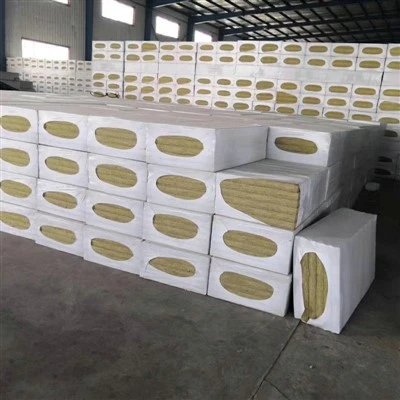
Rock Wool Board If you’re interested in purchasing our Fireproof Board Series or have any questions about ventilation requirements, feel free to reach out. I’d be more than happy to assist you in making the right choices for your project.
References
- "Ventilation for Construction Sites" – Occupational Safety and Health Administration (OSHA)
- "Air Quality and Ventilation in Indoor Spaces" – Environmental Protection Agency (EPA)
- "Fireproof Building Materials: Safety and Usage" – Building Research Institute Publications
Langfang Aolesi Thermal Insulation Materials Co., Ltd.
As one of the most professional fireproof board manufacturers and suppliers in China, we also support customized service. Please feel free to buy bulk high quality fireproof board made in China here from our factory. For pricelist, contact us now.
Address: Dongwang Village, Dacheng County, Langfang City, Hebei Province
E-mail: Lfaolesibaowen@outlook.com
WebSite: https://www.lfaolesi.com/
