As a well – established supplier of Controlled Atmosphere Reefer Containers, I’ve witnessed firsthand how these innovative pieces of equipment play a pivotal role in international trade, especially in the transportation of perishable goods. In this blog, I’ll delve into how our containers optimize gas composition for different shipping durations to ensure the highest quality of the cargo upon arrival. Controlled Atmosphere Reefer Container
Understanding the Basics of Controlled Atmosphere Reefer Containers
Before we discuss the optimization for different shipping durations, it’s important to understand what a Controlled Atmosphere Reefer Container is. These containers are designed not only to maintain a specific temperature but also to control the gas composition inside the container. The key gases involved are oxygen (O₂), carbon dioxide (CO₂), nitrogen (N₂), and sometimes ethylene (C₂H₄).
Controlling these gases is crucial because it affects the physiological processes of perishable products such as fruits, vegetables, and meat. For example, reducing the oxygen level and increasing the carbon dioxide level can slow down the respiration rate of fruits and vegetables, which in turn extends their shelf – life and preserves their quality.
Short – Duration Shipping (Less than a Week)
For short – duration shipping, the main goal is to maintain the initial freshness of the cargo. The gas composition optimization is relatively straightforward.
We typically keep the oxygen level slightly higher compared to long – term storage. For most fruits and vegetables, an oxygen level of around 3 – 5% is sufficient. This is because a slightly higher oxygen level allows the produce to continue its normal metabolic activities at a reduced pace. The carbon dioxide level is maintained at 1 – 3%. This helps to inhibit the growth of microorganisms and further slow down the ripening process.
Our containers are equipped with advanced sensors that continuously monitor the gas levels. In case of any deviation from the preset levels, the gas control system kicks in to adjust the composition. For short – duration shipping, we also take into account the initial gas composition of the cargo when it is loaded. Some produce may release certain gases during the initial hours after harvest, and our system is designed to handle these short – term fluctuations.
One of our clients was shipping fresh strawberries from California to a nearby city in the United States. The journey was expected to take around two to three days. We set the gas composition in the container to 4% oxygen, 2% carbon dioxide, and the rest nitrogen. The strawberries arrived at their destination in excellent condition, with minimal spoilage and retained flavor.
Medium – Duration Shipping (One to Three Weeks)
Medium – duration shipping requires more precise gas – composition control. As the shipping time increases, the physiological changes in the perishable goods become more significant, and the risk of spoilage also rises.
We lower the oxygen level to around 1 – 3% for most types of produce. This significant reduction in oxygen helps to effectively slow down the respiration rate, which is the main cause of deterioration. At the same time, we increase the carbon dioxide level to 3 – 5%. The higher carbon dioxide level has a suppressive effect on the growth of fungi and bacteria.
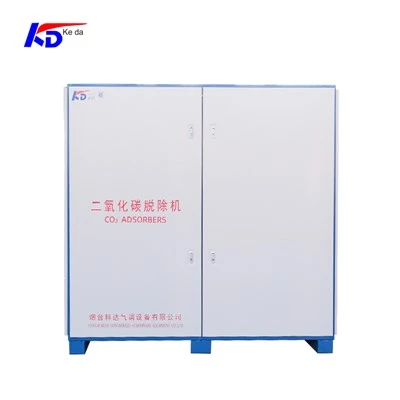
Ethylene, a gas that accelerates the ripening process, also needs to be closely monitored. Our containers are equipped with ethylene scrubbers. These scrubbers remove ethylene from the container atmosphere, preventing premature ripening and spoilage.
For a shipment of avocados from Mexico to Europe, which took about two weeks, we set the oxygen level at 2%, the carbon dioxide level at 4%, and used ethylene scrubbers. The avocados were still in a firm, unripe state upon arrival, which allowed the importers to ripen them at their own pace and sell them over an extended period.
Long – Duration Shipping (More than Three Weeks)
Long – duration shipping presents the most challenges in terms of gas – composition optimization. The produce is exposed to a long – term storage environment, and any small error in gas control can lead to significant quality degradation.
We further reduce the oxygen level to below 1%. This extremely low oxygen level almost puts the produce in a state of suspended animation. The carbon dioxide level is maintained at 5 – 8%. However, it’s important to note that high carbon dioxide levels can also have negative effects on some produce, such as causing off – flavors or physiological disorders. So, we need to carefully select the appropriate gas levels based on the specific type of cargo.
In addition to oxygen, carbon dioxide, and ethylene control, we also pay attention to other factors such as humidity and temperature, which interact with the gas composition. For instance, a higher temperature can increase the respiration rate of the produce, which may require more precise gas – composition adjustment.
A client was shipping apples from New Zealand to Asia, with a shipping time of over four weeks. We set the oxygen level at 0.8%, the carbon dioxide level at 6%, and maintained a stable temperature and humidity inside the container. The apples arrived at their destination with a high level of freshness, firmness, and flavor.
The Role of Technology in Gas – Composition Optimization
Our Controlled Atmosphere Reefer Containers are equipped with state – of – the – art technology to ensure accurate gas – composition optimization. The gas sensors are highly sensitive and can detect even the slightest changes in gas levels. The control system is based on advanced algorithms that take into account various factors such as the type of cargo, shipping duration, and environmental conditions.
We also offer remote monitoring services. Our clients can access real – time data about the gas composition, temperature, and humidity inside the container through a user – friendly online platform. This allows them to make informed decisions and take immediate action in case of any issues during the shipping process.
Conclusion and Call to Action
In conclusion, our Controlled Atmosphere Reefer Containers are designed to provide the best possible gas – composition optimization for different shipping durations. Whether it’s a short – term local shipment or a long – haul international delivery, we have the technology and expertise to ensure the quality of your perishable goods.
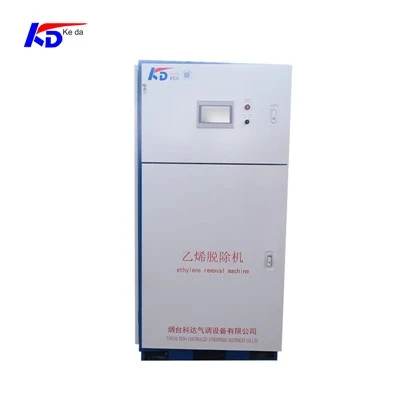
Carbon Dioxide Remover If you’re in the business of shipping perishable products and are looking for a reliable solution for gas – composition control, I encourage you to reach out to us. We can provide customized solutions based on your specific needs and shipping requirements. Let’s work together to ensure the success of your shipments and the satisfaction of your customers.
References
- Kader, A. A. (2002). Postharvest technology of horticultural crops. University of California, Division of Agriculture and Natural Resources.
- Saltveit, M. E. (2003). Influence of carbon dioxide on biosynthesis and action of ethylene and other plant hormones. Postharvest Biology and Technology, 28(2), 127 – 135.
- Yahia, E. M. (Ed.). (2009). Refrigeration and controlled atmosphere for postharvest storage of horticultural commodities. Woodhead Publishing.
Yantai Keda Zhixian International Trade Co., Ltd.
As one of the leading manufacturers and suppliers of controlled atmosphere reefer container in China, we have world-leading production equipment and strong manufacturing capabilities. Please feel free to buy high-grade controlled atmosphere reefer container for sale here from our factory.
Address: No.18-2, Wuhan St, Yantai ETDZ, Yantai, Shandong, China
E-mail: ytkeda2026@163.com
WebSite: https://www.kedacastorage.com/
