A check valve, commonly referred to as a non – return valve or one – way valve, serves a critical role in a vacuum system. As a trusted check valve supplier, I understand the unique and stringent requirements that these valves must meet to ensure the optimal performance of vacuum systems. In this blog post, I will delve into the key requirements for a check valve in a vacuum system. Check Valve

Sealing Performance
One of the most crucial requirements for a check valve in a vacuum system is its sealing performance. In a vacuum environment, any leakage can significantly affect the efficiency of the system. A small leak might seem insignificant, but over time, it can lead to a loss of vacuum, increased energy consumption, and potential malfunction of the entire system.
The check valve must be able to provide a tight seal when closed. This is especially important because vacuum systems often operate at very low pressures, and even a minor amount of air ingress can disrupt the vacuum level. The valve’s sealing materials need to be carefully selected. For example, elastomers like Viton or silicone are commonly used due to their excellent resistance to vacuum and various chemicals. These materials can conform well to the valve seat, creating a reliable seal.
Moreover, the design of the valve seat also plays a vital role in sealing. A well – machined and smooth valve seat ensures proper contact with the sealing surface of the valve disc. Any imperfections or irregularities on the seat can cause leakage. Advanced manufacturing techniques, such as precision grinding and polishing, are employed to achieve the necessary surface finish on the valve seat.
Low – Pressure Operation
Vacuum systems typically operate at low pressures, which means the check valve must be able to function effectively under such conditions. The valve should open and close smoothly with minimal pressure differentials. In a vacuum system, the pressure difference across the valve is often very small, and the valve needs to respond to these subtle changes accurately.
To achieve this, the check valve’s internal components, such as the valve disc and spring, must be designed with low – force operation in mind. A lightweight valve disc can reduce the inertia and make it easier to open and close. The spring used in the valve should have an appropriate spring rate. A spring that is too stiff may prevent the valve from opening at low pressure differentials, while a spring that is too weak may cause the valve to flutter or not provide sufficient closing force.
Contamination Resistance
Vacuum systems can be prone to contamination from various sources, such as particles, dust, and chemicals. A check valve in a vacuum system needs to be resistant to contamination to ensure its long – term reliability.
The valve’s internal components should be designed to minimize the accumulation of contaminants. Smooth internal surfaces and well – defined flow paths can prevent particles from getting trapped inside the valve. Additionally, the materials used in the valve construction should be resistant to chemical corrosion. For instance, stainless steel is a popular choice for check valve bodies and internal parts because of its high corrosion resistance.
Filters can also be incorporated into the check valve design to prevent large particles from entering the valve. These filters act as a first line of defense, protecting the valve’s internal components from damage and ensuring its proper operation.
High – Cycle Durability
Vacuum systems often operate in a cyclic manner, with the check valve opening and closing repeatedly. Therefore, high – cycle durability is a must for a check valve in such systems.
The valve’s internal components, especially the valve disc and seat, are subject to wear and tear during each cycle. To ensure long – term durability, high – quality materials and advanced heat – treatment processes are used. For example, heat – treated stainless steel valve discs can withstand the repeated impacts and friction that occur during valve operation.
The design of the valve also affects its durability. A well – balanced valve design can reduce stress concentrations on the components, extending their service life. Regular maintenance, such as lubrication and inspection, can further enhance the valve’s durability and prevent premature failure.
Compatibility with Vacuum Pumps
A check valve in a vacuum system must be compatible with the vacuum pump used in the system. Different vacuum pumps have different operating characteristics, such as flow rates, pressure ranges, and pumping speeds. The check valve needs to be selected or designed to match these characteristics.
For example, if a high – speed vacuum pump is used, the check valve should be able to open and close quickly enough to keep up with the pump’s cycling. The valve’s flow capacity should also be sufficient to handle the flow rate generated by the pump. If the valve’s flow capacity is too low, it can cause a bottleneck in the system, reducing the overall efficiency of the vacuum pump.
Cleanliness
In many vacuum applications, such as in the semiconductor industry or scientific research, cleanliness is of utmost importance. A check valve in these systems must be extremely clean to prevent contamination of the vacuum chamber.
Before being installed in a vacuum system, the check valve is often subjected to rigorous cleaning processes. These processes may include ultrasonic cleaning, chemical cleaning, and high – temperature baking to remove any contaminants, such as oil, grease, and particles. The valve is then packaged in a clean environment to maintain its cleanliness during transportation and storage.
Response Time
The response time of a check valve is another important requirement in a vacuum system. When the pressure conditions change, the valve needs to open or close rapidly to maintain the integrity of the vacuum.
A fast – acting check valve can prevent backflow and pressure surges in the system. For example, in a vacuum system that experiences sudden changes in pressure, such as during a pump shutdown or startup, a check valve with a short response time can quickly close to prevent air from entering the system or the reverse flow of process gases.
Size and Installation Requirements
The size of the check valve is an important consideration in a vacuum system. The valve should be sized appropriately to fit the system’s piping and flow requirements. A valve that is too large can be costly and may not operate efficiently, while a valve that is too small can cause excessive pressure drops and restrict the flow.
Installation requirements also need to be taken into account. The check valve should be easy to install and maintain. Some vacuum systems may have limited space, so the valve’s compact design is beneficial. Additionally, the valve should be installed in the correct orientation to ensure proper operation.
Documentation and Certification
As a check valve supplier, I understand the importance of providing comprehensive documentation and certification for our products. In a vacuum system, where reliability and safety are critical, customers need to have confidence in the performance of the check valve.
We provide detailed technical documents, including product specifications, performance curves, and installation instructions. Our products also undergo rigorous testing and comply with relevant industry standards and regulations. Certifications such as ISO 9001, CE, and UL can give customers peace of mind when purchasing our check valves.
In conclusion, the requirements for a check valve in a vacuum system are diverse and demanding. From sealing performance and low – pressure operation to contamination resistance and high – cycle durability, every aspect of the valve’s design and performance is crucial. As a check valve supplier, we are committed to meeting these requirements and providing high – quality products that ensure the reliable operation of vacuum systems.
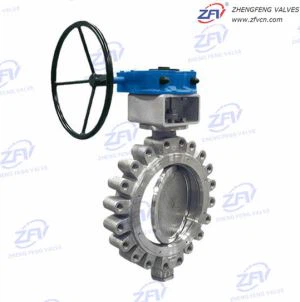
Triple Offset Butterfly Valve If you are in need of check valves for your vacuum system, I encourage you to reach out to discuss your specific requirements. We can work together to find the most suitable check valve solutions for your application.
References
- ASME B16.34 – Valves – Flanged, Threaded, and Welding End
- ISO 5208 – Industrial valves – Pressure testing of valves
Zhejiang Zhengfeng Valve Co., Ltd.
We’re well-known as one of the leading check valve manufacturers and suppliers in China. With abundant experience, we warmly welcome you to buy bulk advanced check valve from our factory. If you have any enquiry about cooperation, please feel free to email us.
Address: Hengtong Road, Wuxing Industrial Park, Wenzhou, Zhejiang, China. 325105
E-mail: sales@zfvalve.com
WebSite: https://www.zfvcns.com/
