Hey there! I’m a supplier of smooth condenser tubes, and I’ve been getting a lot of questions lately about the insulation requirements for these tubes. So, I thought I’d take a few minutes to break it down and share what I know. Smooth Condenser Tube

First off, let’s talk about why insulation is important for smooth condenser tubes. Condenser tubes are used in a variety of applications, from refrigeration systems to power plants. They work by transferring heat from a hot fluid to a cooler fluid, typically water. Insulation helps to prevent heat loss from the tubes, which can improve the efficiency of the system and reduce energy costs. It also helps to protect the tubes from environmental factors like moisture and corrosion, which can extend their lifespan.
Now, let’s get into the nitty-gritty of insulation requirements. The specific insulation requirements for smooth condenser tubes will depend on a few factors, including the application, the operating temperature, and the environment in which the tubes will be used. Here are some general guidelines to keep in mind:
Temperature Range
The first thing you need to consider is the temperature range of the system. If the tubes will be operating at high temperatures, you’ll need to use an insulation material that can withstand those temperatures without degrading. For example, if the tubes are part of a power plant and will be operating at temperatures above 200°C (392°F), you might want to consider using ceramic fiber insulation or calcium silicate insulation. These materials have high-temperature resistance and can provide excellent thermal insulation.
On the other hand, if the tubes are part of a refrigeration system and will be operating at low temperatures, you’ll need to use an insulation material that can prevent heat gain. Foam insulation, such as polyurethane or polystyrene foam, is a popular choice for low-temperature applications because it has a low thermal conductivity and can provide good insulation even at cold temperatures.
Moisture Resistance
Another important factor to consider is moisture resistance. If the tubes will be exposed to moisture, either from the environment or from the process itself, you’ll need to use an insulation material that can resist moisture absorption. Moisture can cause the insulation to lose its effectiveness and can also lead to corrosion of the tubes.
Closed-cell foam insulation is a good choice for wet or humid environments because it has a low moisture absorption rate. Mineral wool insulation can also be used, but it needs to be properly protected from moisture. You can use a vapor barrier or a waterproof coating to prevent moisture from getting into the insulation.
Fire Resistance
In some applications, fire resistance is a critical consideration. If the tubes are located in an area where there is a risk of fire, you’ll need to use an insulation material that is fire-resistant. Fiberglass insulation and ceramic fiber insulation are both good choices for fire-resistant applications because they are non-combustible and can withstand high temperatures without catching fire.
Installation Requirements
The installation requirements for the insulation will also depend on the type of insulation material you choose. Some insulation materials, like foam insulation, can be easily cut and installed using adhesive. Other materials, like mineral wool insulation, may require more complex installation techniques, such as using wire mesh or metal bands to secure the insulation in place.
It’s important to follow the manufacturer’s installation instructions carefully to ensure that the insulation is installed correctly and provides the desired level of thermal performance. Improper installation can lead to gaps in the insulation, which can reduce its effectiveness and increase energy costs.
Cost
Of course, cost is always a consideration when choosing insulation for smooth condenser tubes. The cost of the insulation will depend on a few factors, including the type of insulation material, the thickness of the insulation, and the size of the tubes.
Foam insulation is generally less expensive than other types of insulation, but it may not be suitable for high-temperature applications. Ceramic fiber insulation and calcium silicate insulation are more expensive but offer better high-temperature performance. Mineral wool insulation is a mid-range option that provides good thermal performance and is relatively inexpensive.
When considering the cost of insulation, it’s important to think about the long-term savings. Investing in high-quality insulation can help to reduce energy costs and extend the lifespan of the tubes, which can save you money in the long run.
My Recommendations
As a supplier of smooth condenser tubes, I’ve worked with a lot of different customers and seen a variety of insulation requirements. Based on my experience, here are some recommendations for insulation materials for different applications:
- Refrigeration Systems: For refrigeration systems operating at low temperatures, I recommend using polyurethane foam insulation. It has a low thermal conductivity, is moisture-resistant, and is relatively easy to install.
- Power Plants: For power plants operating at high temperatures, I recommend using ceramic fiber insulation or calcium silicate insulation. These materials have high-temperature resistance and can provide excellent thermal insulation.
- General Applications: For general applications where the temperature range is moderate and moisture resistance is important, I recommend using closed-cell foam insulation or mineral wool insulation with a vapor barrier.
If you’re not sure what type of insulation is best for your application, I’d be happy to help. Just reach out to me, and we can discuss your specific requirements in more detail.
Conclusion
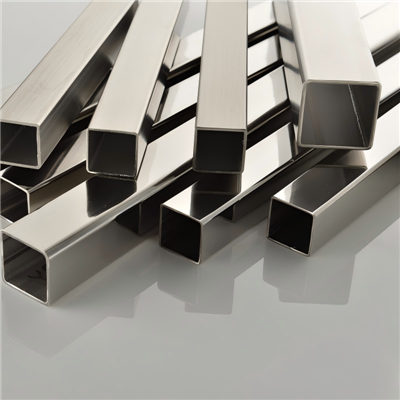
So, there you have it – a breakdown of the insulation requirements for smooth condenser tubes. As you can see, there are a lot of factors to consider when choosing insulation, including temperature range, moisture resistance, fire resistance, installation requirements, and cost. By taking the time to understand your specific needs and choosing the right insulation material, you can improve the efficiency of your system, reduce energy costs, and extend the lifespan of your tubes.
High-frequency Welded Fin Stainless Steel Tube If you’re in the market for smooth condenser tubes or need more information about insulation, don’t hesitate to contact me. I’m here to help you find the best solutions for your needs. Let’s work together to make your project a success!
References
- ASHRAE Handbook: Fundamentals. American Society of Heating, Refrigerating and Air-Conditioning Engineers (ASHRAE).
- Insulation Materials: Properties and Applications. CRC Press.
- Condenser Tube Technology: Design, Materials, and Operation. Elsevier.
China Super Tech Co., Ltd.
As one of the most professional smooth condenser tube manufacturers and suppliers in China, we’re featured by quality products and good service. Please rest assured to wholesale OEM smooth condenser tube from our factory. Also, custom service is available.
Address: Wangjing Science and Technology Park, Guangshun North Street, Chaoyang District, Beijing
E-mail: sales@316liquidcooling.com
WebSite: https://www.316liquidcooling.com/
