Brass valves are essential components in various plumbing, industrial, and mechanical systems. Their durability, corrosion resistance, and malleability make them a popular choice for regulating the flow of liquids and gases. As a supplier of brass valves, I often receive inquiries about the installation tools required for these components. Proper installation is crucial to ensure the longevity and efficient operation of brass valves. In this blog post, I’ll discuss the essential tools needed for installing brass valves, providing insights into their functions and how to use them properly. Brass Valves

Adjustable Wrenches
Adjustable wrenches are a staple in any installation toolkit. They are versatile tools that can accommodate different sizes of nuts and bolts, making them ideal for installing brass valves. These wrenches have a movable jaw that can be adjusted to fit the size of the fitting. When using an adjustable wrench on brass valves, it’s important to adjust the wrench to fit snugly around the nut or bolt. A loose fit can cause the wrench to slip, potentially damaging the valve or causing injury. When tightening or loosening the valve, apply steady and even pressure. Over – tightening can crack the brass, while under – tightening may result in leaks.
Pipe Wrenches
Pipe wrenches are specifically designed for working with pipes and fittings. They have serrated jaws that grip the pipe securely, allowing you to turn it with ease. There are two main types of pipe wrenches: straight pipe wrenches and offset pipe wrenches. Straight pipe wrenches are used for general pipe installation and can be used to install brass valves that are connected to pipes. Offset pipe wrenches, on the other hand, are useful when working in tight spaces where a straight pipe wrench cannot be used.
When using a pipe wrench on brass valves, be cautious as the serrated jaws can mark the surface of the brass. To prevent this, you can use a piece of cloth or a soft – jaw adapter between the wrench and the valve. This will protect the valve’s finish while still allowing you to apply the necessary torque.
Pipe Cutters
Pipe cutters are essential for cutting pipes to the correct length before installing brass valves. There are two common types of pipe cutters: manual pipe cutters and power pipe cutters. Manual pipe cutters are hand – operated tools that are suitable for small – diameter pipes. They work by rotating a sharp cutting wheel around the pipe, gradually cutting through it. Power pipe cutters, on the other hand, are more powerful and are used for larger – diameter pipes.
When cutting pipes for brass valve installation, it’s important to make a clean, straight cut. After cutting, use a deburring tool to remove any burrs or rough edges from the cut end of the pipe. This will ensure a proper fit between the pipe and the valve, reducing the risk of leaks.
Tape Measure
A tape measure is a simple but crucial tool for brass valve installation. It is used to measure the length of pipes, the distance between fittings, and the overall dimensions of the installation area. Accurate measurements are essential for ensuring that the valve fits properly and that the entire system functions as intended.
When taking measurements, make sure the tape measure is straight and not kinked. Take multiple measurements to ensure accuracy, especially when dealing with critical dimensions. Record your measurements clearly to avoid any errors during the installation process.
Thread Sealant Tape (Teflon Tape)
Thread sealant tape, commonly known as Teflon tape, is used to create a leak – proof seal between threaded connections. When installing brass valves, it’s important to apply thread sealant tape to the male threads of the pipe or fitting before screwing the valve onto it.
Start by wrapping the tape around the threads in a clockwise direction. Make sure the tape is applied evenly and tightly, covering all the threads. Generally, 3 – 5 wraps of tape are sufficient. After applying the tape, screw the valve onto the pipe or fitting, being careful not to over – tighten.
Pipe Vise
A pipe vise is a tool used to hold pipes securely in place during installation. It consists of a base with a fixed jaw and a movable jaw that can be tightened around the pipe. Pipe vises come in different sizes and styles, and the choice depends on the size of the pipes you are working with.
When using a pipe vise, place the pipe in the vise and tighten the jaws until the pipe is held firmly. Make sure the pipe is centered in the vise to prevent it from slipping or moving during the installation process. This will make it easier to cut, thread, or install the brass valve on the pipe.
Threading Tools
If you need to create threads on a pipe for brass valve installation, threading tools are necessary. There are two main types of threading tools: hand – held threading tools and power threading machines. Hand – held threading tools are suitable for small – scale projects and can be used to thread pipes up to a certain diameter. Power threading machines are more powerful and are used for larger – diameter pipes and high – volume threading jobs.
When using threading tools, it’s important to follow the manufacturer’s instructions carefully. Apply cutting oil to the pipe to lubricate the cutting process and reduce friction. This will help to create clean, accurate threads.
Torque Wrench
A torque wrench is a specialized tool that allows you to apply a specific amount of torque to a nut or bolt. When installing brass valves, using a torque wrench is important to ensure that the valve is tightened to the correct specification. Over – tightening can cause the brass to crack, while under – tightening can result in leaks.
Before using a torque wrench, set it to the recommended torque value for the brass valve you are installing. This value can usually be found in the valve’s installation instructions. Apply the torque evenly and gradually until the desired value is reached.
Safety Equipment
Safety should always be a top priority when installing brass valves. Personal protective equipment (PPE) such as safety glasses, gloves, and ear protection are essential. Safety glasses protect your eyes from flying debris, while gloves protect your hands from sharp edges and chemicals. Ear protection is necessary when using power tools that generate loud noises.
In addition to PPE, it’s also important to follow proper safety procedures when working with tools and equipment. Make sure tools are in good working condition, and always disconnect power tools when not in use.
Conclusion
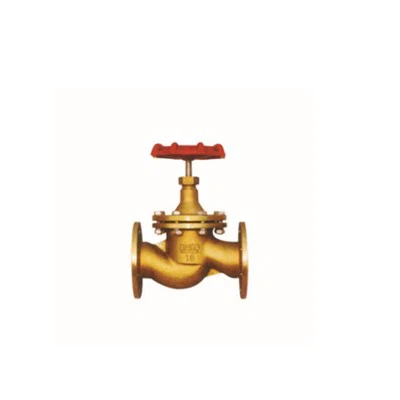
Installing brass valves requires a combination of the right tools and proper techniques. From adjustable wrenches and pipe cutters to thread sealant tape and safety equipment, each tool plays a crucial role in ensuring a successful installation. As a brass valves supplier, I understand the importance of providing not only high – quality valves but also the knowledge and support needed for proper installation.
Transformer Breather If you are in the market for brass valves or need more information about the installation process and the tools required, I encourage you to reach out. Our team of experts is ready to assist you with your procurement needs and provide valuable insights to ensure your projects are completed successfully. Whether you are working on a small plumbing project or a large – scale industrial installation, we have the products and expertise to meet your requirements.
References
- "Plumbing Handbook", John Doe, 20XX Edition
- "Industrial Valve Installation Guide", Manufacturer’s Manual, 20XX
- "Pipe Fitting and Valve Installation Techniques", Professional Trades Magazine, June 20XX
Hebei Anmei Electrical Equipment Co., Ltd.
Hebei Anmei Electrical Equipment Co., Ltd. is one of the most professional brass valves manufacturers and suppliers in China, specialized in providing high quality products and service. Please feel free to buy customized brass valves made in China here from our factory. Contact us for quotation.
Address: Hejian Yingzhou Economic Development Zone, Cangzhou City, Hebei Province
E-mail: sales@anmeielec.com
WebSite: https://www.anmeibushing.com/
