Hey there! I’m a supplier of Precision Custom Components, and today I wanna chat about how we handle electrical conductivity in our products. Precision Custom Components
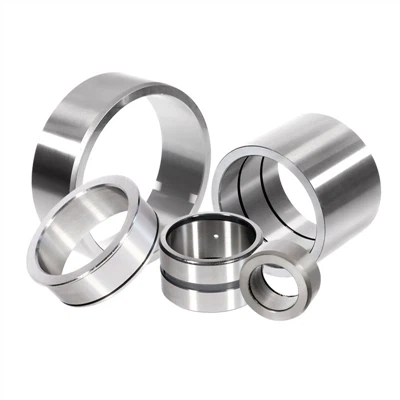
First off, let’s talk about why electrical conductivity is such a big deal. In a whole bunch of industries, from electronics to automotive and aerospace, the ability of a component to conduct electricity effectively can make or break a product. For instance, in a smartphone, the tiny components need to transfer electrical signals super fast and without any glitches. If the electrical conductivity isn’t up to par, you might end up with a phone that’s slow, has a bad signal, or even malfunctions completely.
So, how do we at Precision Custom Components ensure top – notch electrical conductivity? Well, it all starts with the materials we choose. We’re really picky about the stuff we use. Metals like copper and aluminum are our go – to choices because they’re known for their excellent electrical conductivity. Copper, in particular, is like a rock star in the world of electrical conduction. It has low electrical resistance, which means electricity can flow through it easily. And we don’t just use any old copper; we source high – quality copper that meets strict purity standards. This ensures that there are as few impurities as possible that could interfere with the flow of electrons.
But it’s not just about using good materials. We also have some really advanced manufacturing processes. One of the key things we do is precision machining. When we machine our components, we make sure that every surface is smooth and the dimensions are spot – on. A rough surface can cause what’s called "skin effect" in electrical conduction. The skin effect makes the electrons flow more on the outer surface of a conductor, which can increase resistance and reduce conductivity. By having a smooth surface, we minimize this effect and allow the electrons to flow more freely.
Another important aspect is the design of the components. We work closely with our clients to understand their specific needs. Sometimes, a unique design can actually enhance electrical conductivity. For example, we might design a component with a larger cross – sectional area. According to Ohm’s law, resistance is inversely proportional to the cross – sectional area of a conductor. So, a larger cross – sectional area means lower resistance and better conductivity. We also pay attention to the shape of the component. A well – designed shape can reduce the chances of electrical interference and ensure a more even flow of electricity.
Surface treatment is also a crucial step in our process. We use various surface treatments to protect the components and improve their electrical properties. For example, we might apply a thin layer of gold or silver plating. These metals are not only good conductors themselves but also protect the underlying metal from corrosion. Corrosion can increase the resistance of a component over time, so preventing it is essential for maintaining good electrical conductivity.
Now, let’s touch on some of the challenges we face when dealing with electrical conductivity. One of the main challenges is heat. As electricity flows through a conductor, it generates heat. If the heat isn’t dissipated properly, it can cause the conductor to expand and change its electrical properties. To deal with this, we often incorporate heat – dissipation features into our components. For example, we might add fins or use materials with good thermal conductivity to help transfer the heat away from the conductive parts.
Another challenge is miniaturization. In today’s world, there’s a constant demand for smaller and smaller components. But as components get smaller, the electrical resistance can increase due to the reduced cross – sectional area. To overcome this, we use advanced manufacturing techniques to create micro – structures within the components that can help maintain good electrical conductivity even at a small scale.
We also conduct a whole bunch of testing on our components to make sure they meet the required electrical conductivity standards. We use specialized equipment to measure the resistance and conductivity of each component. If a component doesn’t meet the standards, we go back to the drawing board and figure out what went wrong. We analyze the manufacturing process, the materials used, and the design to make the necessary adjustments.
In some cases, we work on custom -izing components for specific electrical environments. For example, in high – voltage applications, we need to make sure the components can handle the large electrical potential difference without breaking down. We might use special insulation materials and design the components in a way that reduces the risk of electrical arcs.
When it comes to extremely low – temperature applications, the electrical conductivity can change as well. We have to choose materials that can maintain their conductivity even in freezing conditions. We also do a lot of research on how different materials behave at low temperatures to ensure that our components perform reliably.
Overall, handling electrical conductivity in Precision Custom Components is a complex but fascinating process. It involves a combination of choosing the right materials, using advanced manufacturing processes, and conducting thorough testing. We’re always on the lookout for new technologies and techniques to improve the electrical conductivity of our components even further.

If you’re in the market for Precision Custom Components with excellent electrical conductivity, we’d love to talk to you. Whether you’re in the electronics, automotive, aerospace, or any other industry that requires high – performance components, we have the expertise and the resources to meet your needs. Just reach out to us, and let’s start a conversation about your specific requirements.
Auto Parts References
- Physics textbooks on electrical conduction and materials science.
- Industry reports on the latest trends in precision component manufacturing and electrical conductivity.
Hubei Kangding Machinery Equipment Co., Ltd.
We’re well-known as one of the leading precision custom components manufacturers and suppliers in China, specialized in providing high quality customized products. Please feel free to buy advanced precision custom components for sale here from our factory. For pricelist, contact us now.
Address: Qianchang Industrial Park, Jingshan County, Jingmen City, Hubei Province
E-mail: 339248585@qq.com
WebSite: https://www.cnkangding.com/
