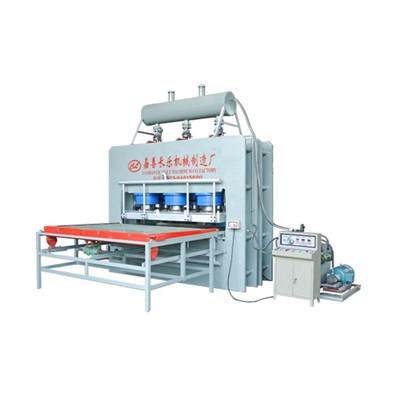
Cleaning a hot press for plywood is a crucial maintenance task that ensures the longevity, performance, and quality output of the equipment. As a supplier of hot presses for plywood, I understand the significance of proper cleaning and maintenance. In this blog, I’ll share comprehensive insights on how to clean a hot press effectively, covering everything from the necessary tools and safety precautions to step-by-step cleaning processes and post-cleaning care. Hot-press for Plywood
Why Cleaning a Hot Press is Essential
Before delving into the cleaning process, it’s important to understand why cleaning a hot press is so vital. Over time, hot presses accumulate various types of debris, including resin residues, wood particles, and dust. These contaminants can have several negative impacts on the machine. Resin buildup can cause uneven heating, which in turn affects the quality of the plywood being produced. Wood particles and dust can also interfere with the moving parts of the press, leading to increased wear and tear, and potentially causing mechanical failures. Regular cleaning not only prevents these issues but also helps to maintain the energy efficiency of the hot press, reducing operational costs in the long run.
Safety Precautions
Cleaning a hot press involves working with heavy machinery and potentially hazardous substances. Therefore, it’s imperative to take the following safety precautions:
- Power Off: Always turn off the hot press and disconnect it from the power source before starting the cleaning process. This prevents the risk of electric shock and accidental activation of the machine.
- Wear Protective Gear: Wear appropriate personal protective equipment (PPE), such as safety glasses, gloves, and a dust mask. Safety glasses protect your eyes from flying debris, while gloves safeguard your hands from sharp edges and chemicals. A dust mask helps to prevent inhalation of dust and fumes.
- Cool Down: Allow the hot press to cool down completely before cleaning. The high temperatures of the press can cause burns if you come into contact with it while it’s still hot.
Tools and Cleaning Agents
To clean a hot press effectively, you’ll need the following tools and cleaning agents:
- Scrapers: Use plastic or wooden scrapers to remove large chunks of resin and debris from the press plates. Metal scrapers can scratch the surface of the plates, so they should be avoided.
- Brushes: Soft-bristled brushes are useful for removing dust and fine particles from hard-to-reach areas. You can also use wire brushes for more stubborn dirt, but be careful not to scratch the press plates.
- Cleaning Solutions: Depending on the type of residue, you may need different cleaning solutions. For resin buildup, a solvent-based cleaner specifically designed for removing resin can be effective. For general dirt and dust, a mild detergent mixed with water can be used.
- Lint-Free Cloths: These are used for wiping down the press plates and other surfaces after cleaning. Lint-free cloths prevent the transfer of fibers onto the press, which could affect the quality of the plywood.
Step-by-Step Cleaning Process
1. Surface Inspection
Before starting the cleaning process, conduct a thorough inspection of the hot press. Look for any signs of damage, such as cracks or dents in the press plates. Check the alignment of the plates and the condition of the seals. Identifying these issues early can prevent further damage during the cleaning process and ensure that the press operates smoothly after cleaning.
2. Removal of Loose Debris
Use a soft-bristled brush to gently remove loose dust and wood particles from the surface of the press. Pay special attention to the edges and corners of the press plates, as these areas tend to accumulate more debris. You can also use a vacuum cleaner with a soft brush attachment to remove the dust more effectively.
3. Resin Removal
If there is resin buildup on the press plates, use a plastic or wooden scraper to carefully remove the large chunks of resin. Be gentle to avoid scratching the surface of the plates. After removing the majority of the resin, apply a solvent-based resin cleaner to the affected areas. Follow the manufacturer’s instructions for the cleaner and allow it to soak for the recommended time. This will help to loosen the remaining resin. Use a lint-free cloth to wipe away the dissolved resin. For stubborn resin stains, you may need to repeat the process several times.
4. Cleaning the Press Plates
Once the resin has been removed, clean the press plates with a mild detergent mixed with water. Dip a lint-free cloth into the cleaning solution and wring it out thoroughly. Wipe the press plates in a circular motion, starting from the center and working your way outwards. This helps to ensure that the entire surface is cleaned evenly. Rinse the cloth frequently in the clean water to prevent the spread of dirt. After cleaning, use a dry lint-free cloth to wipe the press plates dry.
5. Cleaning the Moving Parts
The moving parts of the hot press, such as the hydraulic cylinders, guides, and bearings, also need to be cleaned regularly. Use a soft brush to remove dust and debris from these parts. Apply a small amount of lubricant to the moving parts as recommended by the manufacturer. This helps to reduce friction and wear, ensuring smooth operation of the press.
6. Cleaning the Surroundings
Don’t forget to clean the area around the hot press. Sweep the floor to remove any wood particles and dust. Wipe down the control panel and other external surfaces of the press with a clean, damp cloth. Keeping the surroundings clean reduces the chances of dust and debris being drawn back into the press during operation.
Post-Cleaning Care
After cleaning the hot press, it’s important to take the following steps to ensure its proper functioning:
- Inspection: Conduct a final inspection of the hot press to make sure that all the parts are clean and in good condition. Check for any signs of damage or loose connections.
- Lubrication: Apply lubricant to the moving parts as recommended by the manufacturer. This helps to reduce friction and prevent wear and tear.
- Testing: Before putting the hot press back into operation, perform a test run to ensure that it’s working properly. Check the temperature control, pressure settings, and the movement of the press plates.
Encouraging Purchase and Contact
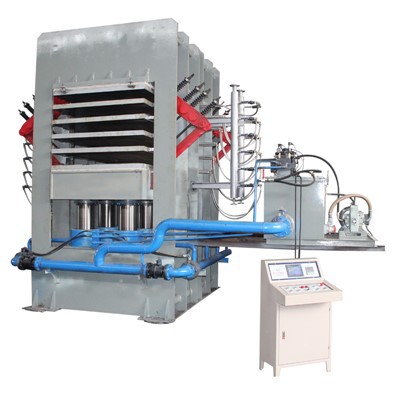
Maintaining a clean hot press is essential for producing high-quality plywood. If you’re in the market for a reliable hot press for plywood, look no further. Our company offers a wide range of hot presses that are designed to meet the diverse needs of the plywood industry. Our machines are built with high-quality materials and state-of-the-art technology, ensuring long-lasting performance and efficiency.
Cold Pressing Machine If you’re interested in learning more about our hot presses or have any questions regarding the cleaning and maintenance process, we encourage you to contact us for a purchase consultation. Our team of experts is ready to assist you with all your needs.
References
- "Industrial Plywood Manufacturing Handbook", Second Edition, published by Pira International Limited.
- Manufacturer’s manuals of various hot presses for plywood.
Jiashan Changle Machinery Manufacturing Co., Ltd.
We’re well-known as one of the leading hot-press for plywood manufacturers and suppliers in China, also support customized service. Please feel free to buy advanced hot-press for plywood for sale here from our factory. Quality products and punctual delivery are available.
Address: Building 12, Zone A, Wanyang Innovation City, No. 23 Yucao South Road, Ganyao Town, Jiashan County, Jiaxing City, Zhejiang Province
E-mail: Changle84615620@163.com
WebSite: https://www.changlejx.com/
