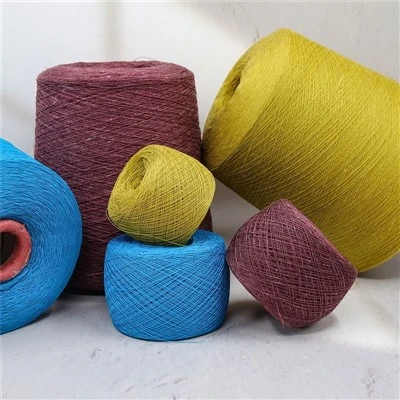
Hey there! I’m a supplier of sustainable yarns, and today I wanna chat about a really interesting question: Are sustainable yarns more breathable? This is a topic that not only techy experts but also regular folks like you and me should care about, especially when we’re thinking about the clothes we wear every day. Sustainable Yarns
Let’s start by understanding what we mean by "breathable". In simple terms, a breathable fabric allows air to circulate, which helps keep our skin dry and cool. When we wear clothes that aren’t breathable, we end up feeling sweaty and uncomfortable. So, this ability to breathe is super important for our well – being when we’re wearing something.
Now, let’s dig into sustainable yarns. As a supplier, I work with a bunch of different types – bamboo, organic cotton, and hemp. Each of these has its own unique properties when it comes to breathability.
Bamboo yarn is one of my favorites. Bamboo fibers are naturally porous. These tiny pores act like little windows, allowing air to flow through the fabric easily. When you’re wearing a sweater or a scarf made from bamboo yarn, it’s like having a gentle breeze constantly passing through it. It wicks away moisture from your skin really effectively. You know how sometimes you’re out on a warm day, and your clothes get all wet with sweat? With bamboo yarn, the sweat is quickly absorbed and then evaporated, keeping you dry and comfortable.
Organic cotton is another great option. Unlike regular cotton, which might have been treated with a bunch of chemicals during processing, organic cotton is grown and made without all that gunk. The fibers are soft and have a natural texture that allows for good air circulation. It’s a fabric that we’re all pretty familiar with, and it’s been a staple in the clothing industry for ages. Organic cotton yarn is especially great for making everyday wear, like t – shirts and underwear. It feels nice against the skin and doesn’t trap heat, so you can go about your day without feeling stuffy.
Hemp is a bit of an underdog in the fashion world, but it’s a real powerhouse when it comes to sustainability and breathability. Hemp fibers are strong and have a loose structure. This structure creates plenty of space for air to move around. It’s a very durable yarn, so clothes made from it can last a long time. And on top of that, hemp is great at regulating body temperature. Whether it’s a hot summer day or a cool evening, hemp – made clothes will keep you at a comfortable temperature.
But how do these sustainable yarns stack up against traditional, non – sustainable yarns? Well, a lot of non – sustainable yarns are made from synthetic materials like polyester. Polyester is cheap to produce, but it’s not very breathable. It’s a plastic – based material, and it tends to trap heat and moisture. You’ve probably worn a polyester shirt before and felt that sticky feeling after a while. It doesn’t let your skin breathe, and it can even cause skin irritation for some people.
In contrast, sustainable yarns have a clear advantage in terms of breathability. They’re made from natural materials that are in tune with our bodies. They allow us to stay cool and dry, which is not only more comfortable but also better for our health.
Let’s talk about the science behind it a bit. The breathability of a fabric is measured by something called the moisture vapor transmission rate (MVTR). This is a fancy way of saying how quickly moisture can pass through a material. Sustainable yarns generally have a higher MVTR compared to non – sustainable ones. For example, bamboo has a very high MVTR because of its porous structure. This means that it can get rid of sweat and moisture much faster than a synthetic fabric like polyester.
Now, I know some of you might be thinking, "Okay, these sustainable yarns sound great, but are they more expensive?" Well, it’s true that in some cases, sustainable yarns can be a bit pricier. But when you think about the long – term benefits, it’s totally worth it. You’ll be getting a product that’s better for your body, better for the environment, and will last longer. And as a supplier, I’m always working on finding ways to make these yarns more accessible and affordable.
Another thing to consider is the environmental impact. Non – sustainable yarns often come with a heavy environmental footprint. The production of synthetic materials requires a lot of energy and resources, and it can release harmful chemicals into the environment. On the other hand, sustainable yarns are made from renewable resources like plants. They’re harvested in a way that’s less harmful to the planet. For example, bamboo grows really fast and doesn’t need a lot of water or pesticides. Organic cotton is grown without the use of harmful chemicals, which is better for the soil and the farmers who grow it.
So, to answer the question "Are sustainable yarns more breathable?", the answer is a big yes! They offer a combination of comfort, health benefits, and environmental friendliness that’s hard to beat.
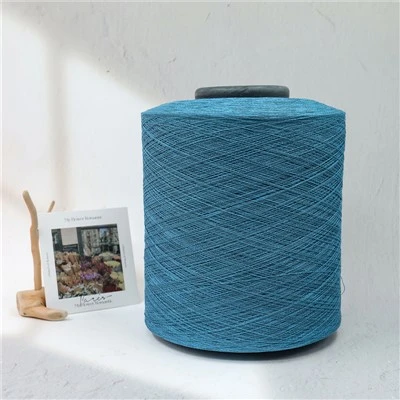
If you’re a fashion designer, a small – business owner, or just someone who’s interested in making sustainable and breathable clothing, I’d love to talk to you. Whether you’re looking for bulk orders or just want to try out some samples, I’m here to help. Get in touch with me to start a conversation about how we can work together to create amazing, breathable, and sustainable clothes.
Sustainable Yarns References
- Textile Research Journal: Multiple studies on fiber properties and breathability.
- Journal of Sustainable Fashion: Articles on the environmental and comfort aspects of sustainable yarns.
Dongguan Jintai Textile Technology Co., Ltd.
As one of the most professional sustainable yarns manufacturers and suppliers in China, we offer a wide range of products with superior quality. With abundant experience, we warmly welcome you to wholesale high quality sustainable yarns in stock here and get free sample from our factory. We also accept customized orders.
Address: No. 22 Fukang Road, Dalang, Dalang Town, Dongguan City, Guangdong Province
E-mail: 13553898187@163.com
WebSite: https://www.jintaitextile.com/
