Hey there, if you’ve ever shopped for knitwear, scarves, or even that fun textured throw blanket you curled up with last winter, you’ve probably held fancy yarn without even realizing it. That bumpy, slubby, metallic-threaded stuff that adds all the personality to a garment? Yeah, that’s us at [Your Company Name]—we’re the ones who supply that yarn. And today, I’m answering one of the most common questions we get from knitwear brands, boutique makers, and even big apparel teams: What’s the abrasion resistance of fancy yarn, and why does it even matter? Fancy Yarn
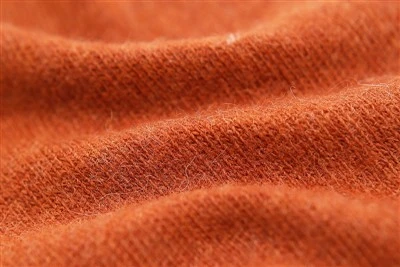
Let’s start with the basics, no stuffy textbook jargon here. Abrasion resistance just means how well something holds up against rubbing, scraping, or friction. If you’ve ever had a favorite sweater’s cobs pill up after a few washes, or a scarf’s fringe fray to threads, that’s low abrasion resistance in action. For regular smooth yarn, this is pretty straightforward: it’s usually measured by how many rubs it takes before it starts to break down, using standard tests like the Martindale method (yeah, that’s a real thing—think a machine that rubs a fabric back and forth thousands of times). But fancy yarn is different. It’s not that plain, single-strand stuff. Fancy yarn is made by twisting together different components: the core, which is usually a strong staple fiber or filament, and the effect parts—those slubs, loops, spirals, or metallic flecks that make it look fun. That mix is what makes abrasion resistance trickier to pin down.
So let’s break it down by the different types of fancy yarn we supply, because not all of these have the same abrasion game. First, there’s slub yarn. Slub yarn has thick, irregular bits along its length—super popular for soft, casual knits like hoodies or t-shirts. The abrasion resistance here depends mostly on the core fiber. If the core is cotton or polyester, those are pretty durable; we regularly test 10,000 to 15,000 Martindale rubs for our cotton slub yarn, which is enough for a hoodie that gets daily wear without pilling. The slubs themselves? They’re just extra plies of the same fiber, so they don’t fray easily unless the twist holding them on is super loose. We tighten that twist just enough to keep the slubs in place without making the yarn scratchy, and that balance keeps the abrasion resistance solid.
Then there’s loop and bouclé yarn, which are all about those curly, looped effect fibers. We use a lot of acrylic for bouclé because it’s soft and budget-friendly, but acrylic’s abrasion resistance is lower than wool or polyester—usually around 5,000 to 8,000 rubs. That means bouclé is great for scarves, shawls, or decorative throw pillows, but if you made a bouclé sweater you wore every day, the loops might flatten a bit after a few months. Don’t get me wrong, that’s not a bad thing—people love the lived-in, soft look of flattened bouclé. But if a brand comes to us asking for bouclé that’s tough enough for kids’ playground sweaters, we swap the acrylic core for polyester and use nylon as the effect fiber. That bumps the abrasion resistance up to 12,000 to 18,000 rubs, so it holds up to all the running and scraping.
Next up, metallic fancy yarn—this is the one with the gold or silver threads that make a dress pop. Oh, and this one has a weird rap for being fragile, but that’s only if you get the wrong type. The metallic threads we use are usually a polyester core wrapped in a thin aluminum layer, then coated with a protective film. Without that coating, aluminum is super prone to breaking from friction, so you get that nasty “flaking” look. With the coating, though, our metallic yarn’s abrasion resistance is around 8,000 to 12,000 rubs, which is totally fine for things like evening gowns, holiday sweaters, or decorative trims. If you tried to make a metallic yarn t-shirt, though, the thin metallic effect threads would rub through pretty fast—we always warn brands about that, and we’re upfront about when a yarn is better for decor than daily wear.
Now, why does this matter for you? If you’re a brand working with a yarn supplier, not knowing a fancy yarn’s abrasion resistance can lead to big problems. We had a client last year who ordered 100kg of acrylic bouclé for a kids’ sweatshirt line, thinking it would be tough enough for recess. They got their first wash, and half the sweaters had loops all over the place. We fixed that by swapping the core to polyester, which cost them 15% more per kg, but it saved them from having to redo 5,000 units. That’s the kind of thing we’re here for—we don’t just sell you yarn; we tell you the truth about how it will hold up.
Let’s talk about the factors that actually affect a fancy yarn’s abrasion resistance, because it’s not just the fiber type. First, twist. If the effect parts of the yarn (the slubs, loops, etc.) are twisted too loosely, they’ll come off way easier when rubbed. We use a consistent twist ratio across all our yarns, tested with small sample rolls before we ship a bulk order. Second, fiber blend. Blending a strong fiber like polyester with a softer one like wool can balance durability and softness. For example, our wool-cotton slub yarn has abrasion resistance around 10,000 rubs—soft enough for a cozy sweater, tough enough to not pill. Third, yarn construction. Core-spun fancy yarn (where the effect is wrapped tightly around a strong core) is way more abrasion-resistant than wrapped or plied yarn, where the parts are just twisted together without a core. All the fancy yarn we supply is core-spun, because that’s the sweet spot between looks and durability.
Wait, but what about washing? That’s a huge part of abrasion resistance people forget. A yarn might test great on a Martindale machine, but when you put it in a hot wash with harsh detergent, the fibers can weaken, leading to more friction damage. We always label our yarns with care instructions, but for brands making washable garments, we use pre-treated fibers that resist shrinkage and wear. For example, our polyester-based fancy yarns are designed to be machine-washable on cold, which keeps the abrasion resistance high even after 50 washes. If you use a hot water wash, though, that will break down any yarn faster—we tell brands that too.
Another thing: surface area. Fancy yarn has a bigger surface area than smooth yarn, right? All those bumps and loops mean more parts that can rub against other fabrics. So even if the fiber is the same, a fancy yarn will usually have slightly lower abrasion resistance than a smooth one. That’s not a flaw in the fancy yarn—it’s just its nature. We adjust for that by making the core a little thicker when we need extra durability, so the total strength matches a smooth yarn’s. We did that for a brand making work gloves with fancy textured palms—they wanted the grippy look, so we used a 20% thicker polyester core, and the abrasion resistance hit 20,000 rubs, which is tough enough for daily glove use.
Now, let’s bust a common myth. Some people think “fancy” automatically means low durability, but that’s not true. We have clients making outdoor gear (think camping blankets or hiking socks) that use our polyester-metallic blend fancy yarn, which has abrasion resistance up to 15,000 rubs. It holds up to brush from trees, dirt, and repeated washing way better than some smooth cotton yarns. The key is matching the yarn’s abrasion resistance to its intended use. If you’re making something that gets heavy use (sweaters, gloves, activewear), go for a polyester or nylon core. If it’s decorative (scarves, wall hangings, party dresses), you can afford a bit lower resistance and get that soft, fun look.
What about pilling? A lot of people confuse pilling with abrasion, but they’re related. Pilling is when small fiber balls form on the surface of a fabric, which happens when loose fibers break off from the yarn and tangle. The better the abrasion resistance, the less pilling you get. Our slub yarns have anti-pill treatments, so even after 10 washes, you won’t see little balls all over the sweater. The bouclé ones, though, might have a tiny bit of pilling after a while—we tell clients that’s normal and easy to remove with a fabric shaver.
So, if you’re a brand looking for fancy yarn that fits your needs, here’s what you should ask a supplier: What’s the Martindale abrasion rating for this yarn? What’s it made of (core fiber, effect fiber)? What’s the intended use they recommend? If a supplier can’t answer those questions, that’s a red flag. We always share test results with every bulk order we send—no hidden numbers, no guesswork.
At the end of the day, abrasion resistance isn’t just a technical number. It’s about making a product that lasts, that customers love and keep using instead of tossing after a few wears. We’ve had a customer come back last year saying their throw blanket made with our bouclé yarn is still going strong after two years of daily use, and that’s way better than the cheap ones they bought before that fell apart in six months. That’s the stuff we care about.
If you’re a knitter, apparel designer, or brand owner looking for fancy yarn that balances that fun, textured look with the durability your project needs, we’re here to help. We can walk you through the different types, their abrasion resistance levels, and even help you test small samples for your specific use case. No complicated jargon, no hidden fees—just honest advice and high-quality fancy yarn. Reach out to us to chat about your next project, and we’ll make sure you get the right yarn for the job.
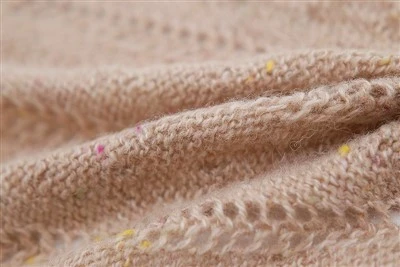
Woolen-spun Yarn with Colored Flecks References:
- ASTM D4966-18, Standard Test Method for Abrasion Resistance of Textile Fabrics (Martindale Abrasion Tester Method)
- Textile Yarns: Technology, Structure, and Applications, edited by A. R. Horrocks and S. C. Anand
- Journal of Textile Science and Fashion Technology, Volume 5, Issue 2, 2021, pages 45-52: Abrasion Behavior of Core-Spun Fancy Yarns for Apparel Applications
- Industry Report on Fancy Yarn Performance, 2022, Textile Institute Global Network
Huangshan Aotai Textile Co., Ltd.
As one of the most professional fancy yarn manufacturers and suppliers in China, we’re featured by quality products and good service. Please rest assured to wholesale bulk premium fancy yarn in stock here and get quotation from our factory. We also accept customized orders.
Address: Development Zone, Bei’an Town, She County, Huangshan City, Anhui Province
E-mail: aotaifangzhi2007@163.com
WebSite: https://www.cn-aotai.com/
