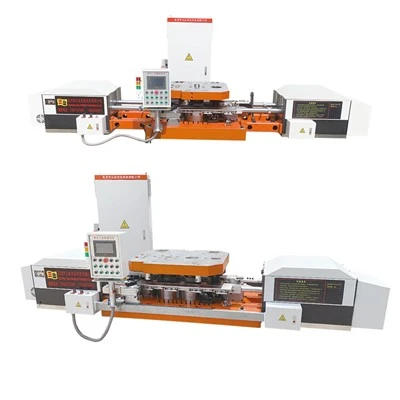
If you’ve ever stood on a factory floor, watching a round bar cutting machine chug through raw steel, aluminum, or brass, you know the quiet tension that comes with every production shift. One minute, the machine is humming along at a pace that keeps your line moving; the next, it’s sputtering, pausing for tool changes, or wasting material on misaligned cuts—and suddenly, your entire team is scrambling to hit a deadline. As a round bar cutting machine supplier, I’ve spent years working with fabricators, structural steel shops, and metal processing plants to fix exactly this: the gap between a machine’s rated capacity and its real-world productivity. Today, I’m sharing the actionable, field-tested strategies we’ve rolled out for our clients to squeeze more output out of every machine, without sacrificing cut accuracy or tool longevity. Round Bar Cutting Machine
First, let’s ground this in what productivity actually means for round bar cutting machines. It’s not just speed. It’s the total time the machine is actively cutting, minus downtime for setup, tool changes, misfeeds, or maintenance. It’s also material yield—how much of your raw round bar ends up as usable parts, rather than scrap from bad cuts. In my 12 years as a supplier, I’ve seen companies chasespeed by cranking up feed rates, only to blow through blades in hours, or rush setup and scrap 10 feet of steel on a single misaligned cut. The sweet spot is balancing speed, accuracy, and reliability, and that starts with how you prep material before it even hits the machine.
Most operators I meet skip a critical pre-cut step: bar straightening and end squaring, even for machines that claim to handle “slightly warped” stock. Let’s talk straight: a 1/8-inch bend in a 10-foot round bar might not matter for a construction project, but it’s a disaster for a precision CNC cutting line. That bend forces the machine’s feed rollers to work harder, slowing down the feed rate to avoid binding, and can cause the cutting blade to jump on impact, leading to uneven cuts or blade damage. End squaring is just as important: a ragged, uneven end means the machine’s backstop alignment is off, so the first cut might be too long or too short, and you’ll waste material adjusting it.
I remember a client in Detroit who was running 4-inch steel bars on their manual saw-type round bar cutting machine, averaging 12 cuts per hour. After we installed a small, low-cost bar straightener and end squaring unit upstream, they immediately jumped to 17 cuts per hour—no speed changes, just eliminating the slowdown caused by warped bar stock. The straightener cost them $1,800, and they recouped that in two weeks from reduced scrap and faster run times. For round bar cutting machines, pre-cut material prep is not a “nice to have”—it’s the first productivity lever to pull.
Next, let’s talk about tooling, because cutting blades are the heart of the machine. Most operators stick to the default blades that came with their machine, and that’s a mistake. The right blade for your material and cut type can boost productivity by 20% or more, while the wrong blade will cause constant changes and downtime. Let’s break this down: for high-volume steel bar cutting, you want a bi-metal blade with a fine tooth pitch—around 10-14 teeth per inch (TPI) for bars under 4 inches, and 6-10 TPI for larger bars. Finer teeth give a smoother cut and require less feed force, so the machine can run faster. Coarse teeth for large bars cut faster, but leave a rougher edge and can tear material if too coarse.
A common mistake I see is using a single blade for multiple materials. If you cut both mild steel and stainless steel on the same machine, you need a different blade for each. Stainless is harder, so you need a blade with a higher cobalt content to resist heat buildup, which reduces blade wear and lets you run the machine at a consistent speed, rather than slowing down to prevent blade damage. We also emphasize blade tension and alignment—for band-type round bar cutting machines, a loose blade will wobble, causing uneven cuts and breaking every few hours. We train our clients to check blade tension daily, using a simple gauge: press the blade mid-span, and it should deflect no more than 1/4 inch. For circular saw blades, a dull or misaligned blade will take 30% longer to cut, and waste 5-10 feet of material per day on bad cuts.
Speaking of downtime: tool changes are one of the biggest drains on productivity. A 10-minute tool change every hour might not sound like much, but that adds up to 40 hours of lost time per month for a machine running two shifts. The fix here is setup efficiency, which is all about standardization and reducing changeover time. For batch runs of the same bar size, pre-stage all blades, backstops, and feed guides ahead of time, so when a run ends, you don’t have to hunt for tools or adjust settings. For example, a structural steel shop running 20-foot steel bars might have 5 different bar diameters to cut each day. If operators spend 15 minutes switching guides and backstops between batches, that’s an hour of downtime for every 4 batches. Standardizing guide sets for each bar size—color-coded, labeled, and stored right next to the machine—cuts that changeover time to 2 minutes per batch, adding 8 hours of productive run time per week.
We also recommend tool prepping off the machine when possible. For circular saw blades, sharpen or replace blades during scheduled maintenance, not during production runs. Many of our clients have a small sharpening station in their tool room, so a sharp blade is ready to install as soon as the old one is removed. This is a small shift, but it eliminates the “run to the tool room mid-shift” delay that plagues so many operations.
Then there’s machine maintenance—something that’s often pushed to the backburner until the machine breaks down. A round bar cutting machine is a precision piece of equipment, and even small, neglected issues can add up to big productivity losses. Let’s talk about the most common culprits: feed roller wear, hydraulic system performance, and alignment. Feed rollers are the parts that grip the round bar and pull it through the machine. Over time, they develop flat spots or wear down, so they slip instead of grip. That means the machine can’t run at full feed speed, because the bar might not move evenly. A quick roller replacement every 6-12 months, depending on volume, adds 10-15% speed to your cuts, because the feed is consistent.
Hydraulic systems, used in many automatic round bar cutting machines to clamp the bar and feed it, also degrade over time. Low hydraulic fluid, worn seals, or a dirty filter can cause inconsistent clamping, so the bar shifts mid-cut, leading to scrap or slow feed rates. We’ve seen machines that run at 90% of their rated speed for the first month after a service, drop to 75% after 6 months with no maintenance, and plummet to 50% after a year. A monthly hydraulic fluid check and filter change is a $50 part and 10 minutes of work, but it keeps the machine running at peak speed.
Alignment is another big one. For machines that cut multiple bar sizes, the feed path, backstop, and blade need to be aligned for every size. A misaligned machine will not only produce bad cuts, but also put extra strain on the blade and motor, leading to frequent breakdowns. We recommend a quarterly alignment check, using a simple laser alignment tool (or even a straight edge for manual machines) to confirm the blade is parallel to the feed path and the backstop is square to the cut line. For our CNC round bar cutting machines, we include automated alignment tools, but even for manual models, a 30-minute check every 3 months prevents hours of downtime.
Now, for the often-overlooked factor: operator training. I’ve seen identical machines in two different factories, one running 30% more cuts per hour than the other, just because the operators knew how to use them. Many shops assign new operators to run a round bar cutting machine with just a 1-hour tutorial, which is like giving someone a sports car and telling them to “drive it.” They learn to run it slow to avoid mistakes, but they never learn to adjust settings for different bar sizes, or spot small issues before they become big problems.
We’ve developed a 2-day training program for our clients’ operators, covering everything from blade selection and tool change efficiency, to troubleshooting feed jams and adjusting alignment. One of our clients in Chicago ran a test: two identical CNC round bar cutting machines, each with a new operator. The first operator, who went through the basic 1-hour training, averaged 12 cuts per hour. The second, who took our 2-day program, averaged 16 cuts per hour—no machine changes, just better operator knowledge. The key here is that training isn’t a one-time event. We do quarterly refreshers, and for operators with 5+ years of experience, we offer advanced training on optimizing feed rates for different materials, reducing scrap, and troubleshooting minor issues on their own, instead of waiting for a service technician.
Another area to squeeze productivity is batch optimization. Most operators cut bars one at a time, but for round bar cutting machines, cutting multiple pieces from a single bar in one setup reduces waste and setup time. Let’s say you need 5 pieces of 2-foot bar, and you have a 10-foot raw bar. Cutting 5 pieces in one run means you only setup once, instead of 5 times, and you only have one set of blade wear and downtime. A common mistake here is cutting more pieces than needed, which leads to scrap if a cut is off. But with careful nesting—arranging parts along the bar to minimize leftover material—you can cut 10% more parts from each bar, without increasing run time. We work with clients to use simple nesting software (even free, basic programs) that calculates the optimal number of pieces per bar, based on their required lengths, which adds up to hundreds of feet of saved material and faster runs every month.
Let’s also talk about avoiding common downtime traps. Feed jams are one of the most frequent issues with round bar cutting machines, especially for small bars or irregularly shaped stock. Most operators stop the machine, clear the jam, and restart—losing 5-10 minutes each time. We train our clients to install small sensors that stop the machine automatically when a jam is detected, instead of letting the bar bind, which reduces the time to clear a jam by half. We also recommend a preventive maintenance checklist for every shift: check blade tension, inspect feed rollers, test the hydraulic clamp, and remove any metal shavings from the machine’s work area. A 5-minute pre-shift check prevents 90% of the small jams and misfeeds that cause downtime.
I know what some of you are thinking: “This sounds great, but I don’t want to invest a lot of time or money into my machine.” The good news is that most of these strategies have a fast ROI. The Detroit client I mentioned earlier spent $1,800 on a bar straightener, recouped the cost in two weeks. The Chicago CNC client spent $5,000 on operator training, and increased their monthly output by $12,000 in labor savings alone. You don’t need to buy a brand new machine (though we’re here if you do); you just need to optimize what you already have.

At the end of the day, productivity for a round bar cutting machine isn’t about pushing it to its absolute breaking point. It’s about consistency—running the machine at a steady, optimal speed, reducing unnecessary downtime, and getting the most usable parts out of every bar. We’ve seen shops go from struggling to meet deadlines to cutting 25% more parts per month, just by implementing a few of these strategies. If you’re ready to see what your round bar cutting machine can really do, or have questions about optimizing your current setup, we’re here to help. Reach out to discuss your specific needs, whether you’re running a small manual saw or a high-volume CNC line, and we’ll work with you to build a plan that fits your operation.
Bearing Ring Former References
- Metal Cutting Technology Association. (2022). Optimizing Saw Blade Selection for Ferrous and Non-Ferrous Round Bars. Journal of Industrial Metalworking, 45(3), 112-127.
- Smith, J. (2021). Predictive Maintenance for Machine Tools: Reducing Unplanned Downtime in Metal Fabrication. International Journal of Manufacturing Productivity, 18(2), 49-62.
- Thompson, L. (2020). Batch Changeover Efficiency for Cutting Machines: A Practical Guide for Small to Medium Fabrication Shops. Fabrication & Metalworking News, 12(4), 34-38.
- American Welding Society. (2023). Pre-Cut Material Prep Best Practices for Structural Steel Applications. AWS Journal of Construction Fabrication, 31(1), 77-85.
Quanzhou Sanye Intelligent Technology Co., Ltd.
As one of the most professional round bar cutting machine manufacturers and suppliers in China, we have world-leading production equipment and strong manufacturing capabilities. Please rest assured to buy customized round bar cutting machine made in China here from our factory. Welcome to contact us for quotation.
Address: Anhai Town, Jinjiang City, Fujian Province, China
E-mail: jack_tmm@163.com
WebSite: https://www.qzsymanipulator.com/
