If you’ve ever stared at a cholesterol test result and thought “wait, what does this actually mean for my daily routine?”, you’re not alone. For years, I’ve been talking to customers, health coaches, and even fellow supplement folks about what actually moves the needle when it comes to that LDL (“bad”) and HDL (“good”) cholesterol balance. And lately, one question’s come up more than once: does vitamins powder (the stuff I supply every single day) actually affect those levels? Spoiler: it’s not a straight yes or no—let’s break this down like we would over a coffee, no jargon allowed. Vitamins Powder
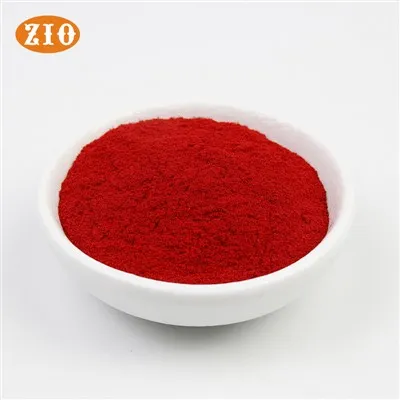
First, let’s get one thing straight: vitamins powder isn’t some magic pill that will drop your LDL by 50 points overnight. If you’re eating a double cheeseburger every night and skipping walks, no supplement is going to fix that. But when paired with the basics—balanced diet, regular movement, not smoking—it can play a solid supporting role. Here’s the breakdown of which vitamins powders actually matter for cholesterol, and how they work (or don’t work, for that matter).
Let’s start with the most talked-about one: niacin, also called vitamin B3. I see niacin in my blend every single week, and for good reason. Studies have shown that controlled, timed-release niacin can bump up HDL (the good stuff) by 15 to 35 percent, and lower LDL by up to 20 percent too. Wait, but hold up—this has to be the right kind of niacin. The immediate-release kind can cause that annoying flushing (warm, tingly feeling all over your face) for a lot of people, which is why most of my customers go for the inositol hexanicotinate form—no flushing, same cholesterol-lowering benefits. But important note: don’t overdo it. Too much niacin (over 2,000 mg a day) can strain your liver, which is a big no-no. I always tell people to check with their doctor before bumping up their intake, especially if they’re on meds for cholesterol already.
Next up: vitamin C. I know, I know—you heard it’s good for colds, right? But recent research has linked consistent vitamin C intake (1,000 to 2,000 mg a day from powder, not just a random orange) to lower LDL and triglycerides (another fat in your blood that can mess with your cholesterol). Why? Vitamin C helps prevent LDL from oxidizing—oxidized LDL is the stuff that builds up in your artery walls, leading to plaque. That’s a huge deal. A lot of my customers who are middle-aged and monitoring their cholesterol keep a scoop of vitamin C powder in their water every morning, and they’ve told me their follow-up tests look better than when they only got vitamin C from food. That said, if you’re already getting enough from fruits and veggies (like oranges, bell peppers, or broccoli), adding more from powder might not make a big difference. It works best when you’re a little low, which a lot of people are if they don’t eat enough produce.
Then there’s vitamin E. Wait, this one’s a bit tricky. For a long time, people thought vitamin E would help with cholesterol, but more recent studies say it’s only good for specific people—like those with very low vitamin E levels, which can sometimes run in families. The catch? If you’re taking high doses of synthetic vitamin E (the kind that’s not in our natural-sourced powders), it might even raise your risk of bleeding, especially if you’re on blood thinners. That’s why I always recommend natural, mixed tocopherols vitamin E powder instead of the synthetic kind. It’s gentler, and for people who do need it, it can help reduce oxidation of LDL—again, preventing that plaque build-up. But if your levels are normal, adding extra vitamin E powder won’t move the needle much. I usually tell people to test their levels first if they’re considering adding it.
Now, let’s talk about what doesn’t work for cholesterol, because there’s a lot of hype out there. Vitamin D, for example—tons of people ask if my vitamin D powder helps with cholesterol. The short answer: not directly. Studies have found that low vitamin D is linked to higher cholesterol levels, but taking extra vitamin D powder only helps if you’re actually deficient. If your levels are in the normal range, adding more won’t lower your LDL or boost HDL. Same with B12—unless you have a deficiency that’s affecting your energy and overall heart health, B12 powder won’t do much for your cholesterol. Don’t waste your money on blends that pack in a ton of these just to market them as “cholesterol-friendly”; they’re empty if you don’t need them.
Wait, let’s also get into the role of soluble fiber in vitamins powder blends. A lot of the cholesterol-friendly powders I supply have added psyllium husk or beta-glucan, both types of soluble fiber. Soluble fiber binds to cholesterol in your gut, so your body can’t absorb it, and flushes it out instead. I’ve had customers who switch from a regular multivitamin to one with added beta-glucan say their LDL dropped by 10 to 15 percent in three months—way more than just a vitamin alone. That’s a key point: it’s not just vitamins in the powder, it’s the other stuff (like soluble fiber) that makes a difference for cholesterol. A lot of people miss that, so they think all vitamins powder is the same for cholesterol, which it’s not.
Now, let’s address the elephant in the room: can vitamins powder replace statins? Let’s be real with each other. If your doctor has prescribed statins because your cholesterol is very high or you’re at risk for heart disease, don’t stop taking them and just rely on powder. That’s a dangerous move. Vitamins powder is a complement, not a replacement for prescribed medication. But for people with slightly elevated LDL (like 130 instead of 100) who are trying to manage it with lifestyle changes, adding a high-quality vitamins powder blend targeted for cholesterol can be a huge help. I work with a lot of dietitians who recommend our cholesterol-focused powder blends for their clients who don’t need statins yet, and the feedback is really positive.
I also want to be transparent about what I’ve seen from customer experiences over the years. One guy I talked to last year, he was 45, his LDL was 150, he ate fast food 5 times a week, and never worked out. He switched to adding our cholesterol powder (niacin, vitamin C, beta-glucan) to his morning smoothies, cut back to fast food twice a week, and started walking 30 minutes a day. Six months later, his LDL was down to 115. But wait—he didn’t just take the powder. He changed the other stuff. That’s the pattern I see every single time: vitamins powder works when it’s paired with healthy habits, not when it’s the only thing you do.
Now, let’s talk about quality, because not all vitamins powder is created equal. A lot of cheap brands out there cut corners—they use synthetic vitamins, fillers, and added sugars, which can actually mess with your cholesterol. For example, some cheap vitamin C powders add dextrose (sugar) to make them taste better; too much added sugar raises triglycerides, which is bad for your cholesterol. That’s why I only source our powders from third-party tested facilities—no fillers, no junk, just the good stuff. I tell all my customers: if the powder has a long list of unpronounceable ingredients, skip it. Stick to simple, transparent blends that list exactly what’s in them.
There are also a few common mistakes people make when using vitamins powder for cholesterol. First, taking too much too fast. I’ve had customers take 5,000 mg of niacin on day one, and end up with liver issues. Always start with the recommended dose—for most cholesterol blends, that’s 1 to 2 scoops a day, mixed with water or a smoothie. Second, not being consistent. Vitamins powder doesn’t work in a week; it takes 4 to 6 weeks for your blood levels to change, so don’t give up after two weeks if you don’t see a difference. Third, not checking with your doctor. If you have high cholesterol, or you’re on any meds (like blood thinners, or diabetes meds), always run your supplement routine by your healthcare provider first. Some vitamins can interact with meds, so it’s better to be safe than sorry.
So, what’s the takeaway here? Vitamins powder can affect cholesterol levels, but only in specific ways. The right blends (niacin, vitamin C, soluble fiber, natural vitamin E) can help boost HDL, lower LDL, and prevent plaque build-up—when paired with a healthy diet, movement, and consistent use. It’s not a magic fix, but it’s a valuable tool for a lot of people. For those who don’t need it, it’s just another daily nutrient boost, and that’s okay too.

If you’re looking to try a high-quality, third-party tested vitamins powder tailored for cholesterol, or you have questions about how to blend it into your routine, feel free to reach out to our team to discuss your needs. Whether you’re a health coach building products for your clients, a wellness brand looking for a reliable supplement partner, or just someone wanting to take control of your cholesterol, we’re here to help you pick the right blend for your goals.
Food Additives References
- Howard, B. V., et al. (2006). Niacin in the management of low high-density lipoprotein cholesterol. The American Journal of Cardiology, 97(11A), 27B-34B.
- Kummerow, F. A., et al. (2009). The role of vitamin C in the prevention of cardiovascular disease. Lipids in Health and Disease, 8, 14.
- White, E., et al. (2000). Vitamin E intake and risk of coronary heart disease in women. JAMA, 283(15), 2005-2011.
- Anderson, J. W., et al. (2000). Cholesterol-lowering effects of beta-glucan from oats and barley: a review of human clinical trials. Nutrition Reviews, 58(10), 297-305.
- NIH Office of Dietary Supplements. (2023). Niacin fact sheet for health professionals.
- NIH Office of Dietary Supplements. (2023). Vitamin C fact sheet for health professionals.
Guangzhou ZIO Chemical Co., Ltd.
As one of the most professional vitamins powder manufacturers and suppliers in China, our products have good reputation in the market. With abundant experience, we warmly welcome you to buy bulk vitamins powder for sale here and get free sample from our factory. For price consultation, contact us.
Address: 5th Floor, Building 1A, Runnong Business Center, No.2 Huangcun Road, Dongpu Town, Tianhe District, Guangzhou
E-mail: alice.liu@gzzio.com
WebSite: https://www.zio-ingredients.com/
