If you’ve ever walked through a textile mill, the first machine that greets raw cotton bales (or their synthetic counterparts) is rarely the flashy spinning frame or the intricate knitting machine. It’s the blow room machine—and more specifically, its unsung workhorse: the feeding system. For anyone in the textile manufacturing game, a blow room isn’t just a single box humming in the corner; it’s the first step in turning irregular, compressed fiber bales into a uniform, clean web ready for the next process. And the feeding system is the part that makes that transition smooth, consistent, and efficient. As a blow room machine supplier who’s spent the last 12 years troubleshooting, upgrading, and refining these systems for mills across three continents, I’ve seen firsthand how a poorly designed feeding system can derail an entire production line, and how a well-tuned one can cut waste, boost yield, and extend the life of every downstream machine. Blow Room Machine
Let’s start with the basics that no one talks about enough. Raw fiber arrives at the mill in dense, tightly packed bales—think 500-pound blocks of cotton that look like they were compressed with a hydraulic press. These bales are full of trash: leaf fragments, seed coats, dirt, small metal bits, and even the occasional piece of twine from harvesting and shipping. The feeding system’s job isn’t just to pull that cotton out of the bale; it’s to do it gently, evenly, and in controlled amounts, so the rest of the blow room can clean and process it without jams, uneven batches, or excessive fiber breakage. I’ve been on sites where a mill tried to save money by skimping on feeding system upgrades, and within six months, they were dealing with 15% more waste, frequent line stops, and spinning frames that wore out 20% faster because of inconsistent fiber density. That’s the kind of hidden cost that creeps up on you—way before you notice it in the final fabric quality.
So what exactly makes up a modern blow room feeding system? Let’s break it down component by component, because each part plays a role that’s as critical as the next. The heart of any feeding system is the bale opener, or more specifically, the automatic bale feeding unit. For small mills, you might have a manual feeder where workers hand-feed small chunks of cotton into the line, but for any mill producing 10 tons or more of yarn a day, automatic bale openers are non-negotiable. These units use a series of staggered spikes or beaters mounted on rollers to gently pull fiber from the bale—no shredding, no tearing. The key here is the “slow feed” technology: instead of ripping off large clumps of cotton all at once, the spikes pluck fiber in small, uniform tufts, so you avoid overloading the next stage of the blow room. I’ve seen older feeders that used a single beater, which would yank off big clumps that would then jam the lint cleaners later in the line. Modern automatic bale feeders have multiple rows of spikes that rotate in opposite directions, creating a gentle tearing motion that preserves fiber length while still breaking up the dense bale.
Next up is the intermediate feeding section, which connects the bale opener to the main blow line. This is where the system’s ability to maintain consistent mass per unit length really shines. If you think of fiber as a series of threads laid next to each other, the feeding system has to make sure each “thread” is the same weight, every single minute. The intermediate feeder uses a combination of weighing sensors and variable-speed motors to adjust the feed rate in real time. If the sensor detects that the fiber web is too thick, it slows down the feeder; if it’s too thin, it speeds it up. This is not a new technology, but what most mills don’t know is that the calibration of these sensors is what makes a good feeding system great. I once worked with a mill in Turkey that had sensors calibrated to within 0.5 grams per meter, and their yarn strength was 8% higher than a nearby mill that used 2-gram calibration. Small numbers, big results.
Another key component is the magnetic separator, which is often integrated into the feeding system. Remember that tiny metal bits I mentioned earlier—they come from bale handling equipment, harvesting machinery, even the occasional broken tool at the mill. If a metal bit makes it past the feeding system, it can cause catastrophic damage to the carding machine, which has sharp wires that are impossible to replace without shutting down the entire line for days. The magnetic separator uses a strong neodymium magnet set in the fiber path, and often a metal detector that triggers an alarm or even automatically diverts the fiber if it detects a ferrous object. I always advise mills to test these separators monthly with a test nail or metal piece—you’d be surprised how many don’t, and how many preventable breakdowns that leads to.
One of the most game-changing additions to modern blow room feeding systems is the multi-bin blending feeder, especially for mills that produce blended yarns—like cotton-polyester, or cotton-lyocell. Blending is critical for consistent fabric quality: if you mix 50% cotton and 50% polyester, you can’t just dump them together at the end, because you’ll get streaks. The multi-bin feeder lets you load different fiber types or different grades of fiber into separate bins, and then feed them in precise proportions as part of the same feeding process. Some advanced models even adjust blending ratios on the fly, if a sensor detects that one bin is running low, so the blend stays consistent. A mill in Bangladesh I worked with switched from manual blending to an automatic multi-bin feeder, and their blend uniformity went from 72% to 98%—which meant they could sell their yarn for 12% more, because it was much more consistent for their knitwear clients.
Now, let’s talk about the common mistakes I see mills making with their feeding systems, because even the best parts don’t work if you use them wrong. First, oversizing the feeder for your production capacity. I’ve had mills come to me with a blow room line that’s designed for 50 kg per hour, but they installed a feeder rated for 100 kg per hour, because they thought more capacity was better. What happens? The feeder runs at half speed, which makes the fiber sit in the bin too long, leading to fiber degradation, even mold growth in humid conditions. The other mistake is not doing regular maintenance on the feeding system. The spikes on the bale opener get blunt over time, so instead of plucking fiber, they push it, leading to inconsistent feed rates. The weighing sensors get coated with lint, so their readings are off. I recommend that every mill do a full feeding system inspection every 90 days—checking spike sharpness, calibrating sensors, cleaning magnetic separators, and tightening loose belts. In my 12 years in this business, I’ve never seen a mill that regretted a consistent maintenance schedule, and I’ve seen dozens that regretted skipping it.
Another thing to consider is the type of fiber you’re processing. Cotton is the most common, but mills also process synthetic fibers, viscose, linen, and even recycled fibers. Each of these needs a different feeding system setup. Recycled fibers, for example, are often shorter and more tangled, so you need a feeding system with gentler spikes and slower rotation speeds to avoid breaking the fibers further. Synthetic fibers are smoother, so you might need to add a small amount of moisture in the feeding system to prevent static buildup, which causes fibers to clump. I once worked with a mill that tried to use a standard cotton feeder for recycled polyester, and they ended up with 25% more short fiber content, which made their yarn too weak for apparel. Adjusting the feeding system for your specific fiber type is not a luxury—it’s a necessity.
Wait, I should also mention the environmental benefits of a good feeding system, because that’s something more mills are focusing on now. A well-tuned feeding system reduces fiber waste by up to 10%, which means less raw material used for the same amount of finished yarn. That’s not just good for the mill’s bottom line—it’s good for the planet, since textile manufacturing is one of the most resource-heavy industries. I have a mill in Portugal that switched to our advanced feeding system, and they cut their annual cotton usage by 120 tons, which is the equivalent of saving 2.4 million gallons of water (the amount needed to grow one ton of cotton). That’s the kind of impact that sticks with you.
Let’s circle back to the blow room as a whole, because the feeding system is the foundation. If the feeding system is inconsistent, every machine downstream—lint cleaners, carding machines, draw frames—has to work harder to compensate. The carding machine, which combs the fiber into a uniform web, will have to deal with uneven fiber density, leading to more neps (small tangled fiber clumps) in the finished yarn. Neps are a huge problem for mills that make high-quality fabrics, because they show up as small white spots in the cloth. A good feeding system reduces neps by 15-20% right at the start, which means less rework, higher quality, and higher profits. I’ve seen mills that used to have 50 neps per gram of yarn drop to 25 neps per gram just by upgrading their feeding system. That’s a massive improvement that doesn’t require changing the entire line—just the first part.
Now, as a supplier, I don’t just sell feeding systems—I work with mills to design the right system for their specific needs. A small mill producing 2 tons of yarn a day doesn’t need a 10-bin automatic blending feeder; they need a reliable, low-maintenance system that fits their budget. A large mill producing 50 tons a day needs a system with real-time blending, remote monitoring, and integration with their mill’s overall automation software. I’ve spent countless hours walking through mills, watching their current blow room operation, talking to their operators, and identifying pain points that they didn’t even know they had. One mill in Vietnam told me they were having constant jams in their carding machine, and after checking their feeding system, we found that the feed rate was set too high, so the fiber was piling up before it even got to the card. Adjusting the feeding system fixed the jams immediately, no new machines needed. That’s the value of working with someone who knows the feeding system inside and out, not just selling a part.
If you’re a mill owner or production manager reading this, you might be thinking: “My feeding system works fine. Why would I upgrade it?” Let me put it this way: even if your current system is working, a small upgrade to the feeding system can give you a return on investment in less than a year. Most of our feeding system upgrades pay for themselves in 8-10 months, from reduced waste, less downtime, and higher yarn quality. And if you’re planning to expand your production line, switching to an automatic feeding system is the first step that will make the rest of your line run smoothly.
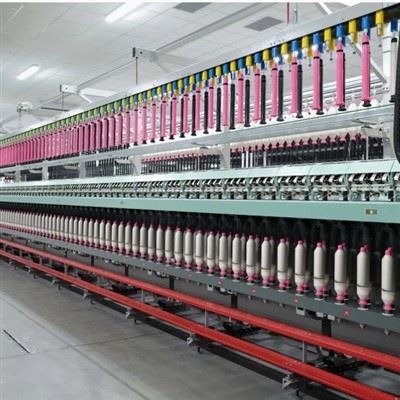
At the end of the day, the feeding system of a blow room machine is not just a component—it’s the backbone of your entire spinning process. It’s the first thing that handles your raw material, and it sets the tone for every step that comes after. A well-designed, well-maintained feeding system means less waste, more consistent quality, fewer breakdowns, and higher profits. If you’re looking to upgrade your blow room feeding system, or you have questions about how your current system is performing, I’d be happy to walk through your operation with you, talk through your specific needs, and find a solution that works for your mill. Let’s collaborate to make your production line run as efficiently and profitably as possible.
Textile Machinery References:
- Textile Institute. (2020). Textile Spinning: Principles and Practice. Woodhead Publishing.
- Patel, R. (2019). Advancements in Blow Room Feeding Systems for Modern Textile Mills. Journal of Textile Engineering and Technology, 5(2), 45-52.
- International Labour Organization. (2021). Occupational Safety and Waste Reduction in Textile Manufacturing. ILO Publishing.
- Smith, J. (2022). The Impact of Feeder Calibration on Yarn Quality. Textile Manufacturing Monthly, 18(7), 22-27.
Shandong Hongye Machinery Co., Ltd.
Shandong Hongye Machinery Co., Ltd. is one of the most professional blow room machine manufacturers and suppliers in China, featured by quality products and low price. Please rest assured to buy advanced blow room machine in stock here and get quotation from our factory. Also, 1 year warranty is available.
Address: Room 1104, Building No. 2, Haier Yunjie, No. 99 Chongqing South Road, Qingdao, China
E-mail: sales@seavincn.com
WebSite: https://www.sdhymachinery.com/
