Hey there, let’s cut to the chase—if you’ve ever cooked up a spicy curry, smoky bacon, or a bunch of garlicky stir-fry, you know the struggle of smells lingering for hours (or days) in your kitchen. I’ve been selling stainless steel range hoods for years, and this is easily the question I get most from homeowners and even small restaurant owners: “What actually does your hood do about those stubborn cooking odors?” Stainless Steel Range Hood
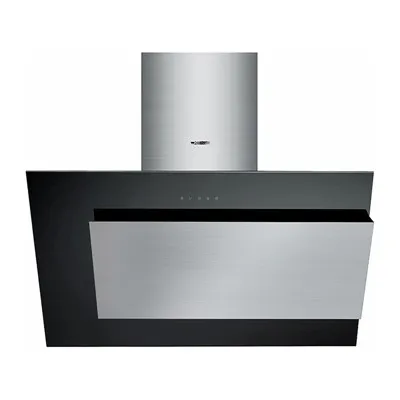
Let’s break this down, no fancy jargon or sales fluff—just what I’ve seen from installations, plus the actual science that backs up why stainless steel hoods (not just any hood, mind you) make such a difference here.
First, let’s get one thing straight: not all range hoods are created equal. I’ve seen people grab a cheap plastic hood from a big box store, and let’s just say the odor removal is almost nonexistent. Why? Because plastics hold onto odors themselves—they’re porous, so those tiny spice molecules and grease particles seep into the plastic and make it smell like last week’s chili no matter how much you wipe it. Stainless steel? It’s non-porous. That’s the base level, right there. It doesn’t trap odors, so when the hood is working to pull them out, it’s not fighting its own material to do it.
Now, the real magic is in how stainless steel range hoods move those odors, not just contain them. Let’s talk about how cooking odors form first, quick. When you heat food, two things happen that create smell: volatile organic compounds (VOCs) and particulate matter. VOCs are the tiny gas molecules that make your kitchen smell like cumin or fried fish—they’re so small you can’t see them, but they fill the air fast. Particulates are the tiny grease droplets, like the ones that make your kitchen window fog up, plus little bits of burnt food. Those are the actual stuff that sticks to your curtains, your fridge, your hair for days.
A good stainless steel range hood’s job is to capture both before they spread. Here’s where the design of our products (the ones I sell) comes in. Most of our hoods have what we call “high CFM ventilation” (CFM is cubic feet per minute, just the speed the hood pulls air). For a standard home kitchen, 300-600 CFM is perfect—enough to pull air away from your stovetop before those odors can head toward your living room or upstairs. Cheap hoods often have 100 CFM or less, which is like using a handheld fan to clear a campfire smoke—pointless.
Wait, but why stainless steel specifically, not the black plastic or even painted metal ones? I mentioned it’s non-porous, but it’s also heat-resistant. When you’re cooking, that stovetop gets hot, and any hood material near it can warp if it’s cheap. If a hood warps, the seal between the hood and the stovetop breaks—so air leaks out the sides instead of being pulled up. Stainless steel stays rigid even at high temperatures, so that seal stays tight, which means all that odorous air gets pulled into the hood, not just redirected around your kitchen. I’ve had a customer test this after they installed our hood: before, their curry smell was still in their open-concept living room 8 hours later. After? They cooked the same meal on a Saturday night, and when we popped by on Sunday morning, the kitchen smelled like nothing—no leftover spice, no grease. That’s the tight seal doing its job.
Then there’s the filters. Our stainless steel range hoods come with either baffle filters or mesh filters, both made of the same stainless steel, not the flimsy aluminum filters you see on cheap hoods. Baffle filters are those angled metal pieces inside the hood. Here’s how they work: when odorous air is pulled into the hood, it slams into the baffles. The heavy grease particulates get trapped on the baffles, and the lighter odor molecules get pushed through to the vent pipe that leads outside. The porous aluminum filters trap grease too, but they get clogged fast—after a month, they’re basically useless, so your hood stops pulling air and odors just hang around. Stainless steel baffles are easy to clean—you can toss them in the dishwasher, or wipe them down with warm soapy water, and they work just as good as new for years. A customer of mine who owns a small pizza place in the city uses our hoods, and he swears by the filters—he only cleans them once every 3 months, whereas his old plastic hood’s aluminum filters were so clogged every week he had to replace them, wasting time and money.
Another big point: recirculating vs. ducted hoods. A lot of people rent their apartments, so they can’t install a ducted hood that vents straight outside. Our recirculating stainless steel range hoods have charcoal filters, right? Wait, but not all charcoal filters are the same. The charcoal in our hoods is activated, which means it’s been treated to have millions of tiny pores that suck those VOC odor molecules right out of the air. Cheaper recirculating hoods use regular charcoal, which doesn’t have those small pores, so it gets saturated after a week and starts smelling like old burnt food instead of fresh odors. I’ve heard horror stories of people buying a cheap recirculating hood, and a month later their kitchen smells like wet cardboard—all because the charcoal was garbage. Our activated charcoal filters last 6-12 months, depending on how much you cook, and they actually work to neutralize odors instead of just moving them around.
Wait, let’s talk about a common myth I hear all the time: “I open a window when I cook, so I don’t need a range hood.” Yeah, opening a window helps a little, but it’s not the same as a hood. Windows only pull air out if there’s a cross-breeze, and most kitchens don’t have that. Also, when you open a window in winter, you’re heating the outside air, which wastes energy. And if you cook something strong like kimchi or bacon, a window might not pull all the odors out—they’ll spread into adjacent rooms before the breeze can catch them. I had a customer who opened her window while cooking a batch of bacon, and the smell got into her bedroom, which is on the other side of the kitchen. After installing our stainless steel hood, she said even when she cooks bacon, the only place it smells is right over the stovetop while it’s cooking. That’s the capture power of a good hood.
Now, let’s get real about maintenance, because even the best hood won’t work if you don’t take care of it. Stainless steel is super easy to clean—all you need is a mild dish soap and a microfiber cloth, no harsh chemicals that can scratch the surface. Grease and food residue wipe right off, so your hood stays looking good and working well. I always tell customers to wipe down the exterior once a week, and clean the filters every 1-3 months, depending on how often they cook. If you skip cleaning, grease builds up on the hood itself, which can start to smell rancid. That’s not the hood failing—it’s you skipping a simple step. I had a guy once who called me complaining his new hood smelled like old food, and when I went to check, he hadn’t wiped it down in 6 months and there was a thick layer of grease caked on the front. We wiped it down, cleaned the filters, and it was like new again—no more smell.
What about commercial kitchens, since that’s a big part of my business too? Restaurants rely on range hoods more than anyone, because if odors spread to the dining room, customers will leave. Health codes even require commercial hoods to vent grease and odors outside, because leftover grease is a fire hazard. Stainless steel hoods are a must here because they can handle heavy, constant use—places like diners that cook breakfast all morning, or pizza places with ovens running nonstop. I’ve seen a lot of restaurants go with cheap hoods to save money, and within a year, those hoods start rusting (because they’re not actual stainless steel, just coated metal) and the filters get clogged, leading to fire risks and failing health inspections. Our stainless steel hoods last 10+ years, even with daily use, so they save restaurants money in the long run, not just upfront.
Wait, let’s circle back to the core question here: does a stainless steel range hood actually reduce cooking odors? The short answer is yes, way more than any other type of hood. The science checks out here—studies from the Home Ventilating Institute (HVI) confirm that properly vented range hoods with high CFM can remove up to 90% of cooking odors and grease particles, way more than just opening a window or using a smaller fan. And when that hood is made of stainless steel, it doesn’t add its own odors, stays durable, and is easy to maintain so it keeps working for years.
I get that price is a factor for a lot of people. Stainless steel hoods aren’t the cheapest on the market, but think about what you’re getting: no odors lingering in your house, easy maintenance, a product that lasts way longer than a cheap plastic hood, and even better, it adds value to your home. If you sell your house later, a nice stainless steel range hood is a feature buyers notice—no one wants a smelly kitchen, right?
So if you’re tired of smelling your cooking for hours after you’re done, if your curtains or clothes always smell like last night’s dinner, or if you’re a restaurant owner dealing with health code issues or customer complaints about odors, a stainless steel range hood is the fix you need.
If you’re looking to upgrade, or if you’re a commercial owner needing to outfit a kitchen, we can walk you through the options—pick the right CFM for your kitchen size, choose between ducted and recirculating, and make sure you get a hood that actually works for your cooking style. We don’t do pushy sales here, just honest advice from someone who’s been in this game for years, installing and selling hoods to everyone from first-time homeowners to small business owners.

If you want to chat more about what would work for you, just reach out to us. We’re happy to answer any questions, no pressure.
Range Hood References:
- Home Ventilating Institute. (2022). Residential Kitchen Ventilation Performance Guidelines.
- American Society of Heating, Refrigerating and Air-Conditioning Engineers. (2021). Ventilation for Commercial Kitchens.
- Journal of Food Protection. (2020). Impact of Ventilation Systems on Indoor Air Quality from Commercial Cooking Operations.
- Stainless Steel Manufacturers Association. (2019). Properties of Stainless Steel for Kitchen Appliances.
Hangzhou DE&E Smart Home Co., Ltd.
As one of the most experienced stainless steel range hood manufacturers and suppliers in China, we offer a wide range of products with superior quality. Please feel free to wholesale cheap stainless steel range hood from our factory. Contact us for more details.
Address: No. 98 Hongxing Road, Xiaoshan District, Hangzhou City, Zhejiang Province 311231, China
E-mail: sabrina.liao@chinadee.com
WebSite: https://www.deeappliances.com/
