If you’ve ever spent time in or around commercial and residential water systems, you’ve probably stumbled on foot valves without even realizing it. As someone who’s spent the last 12 years selling and troubleshooting these critical components, I can tell you they’re far more than just a flapper with a funny name. Foot valves are the quiet workhorses that keep water moving efficiently, prevent costly pump damage, and extend the lifespan of entire water system networks. Today, I want to break down their most common and important applications, how they solve real problems, and why partnering with a reliable supplier makes all the difference. Foot Valve
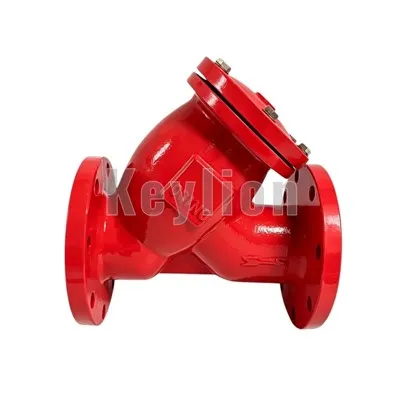
First, let’s get the basics right for anyone new to foot valves: unlike standard check valves that install inside pipes or underground, foot valves mount at the very bottom of a suction pipe, submerged at the point where the pipe draws water from a source—think a well, a reservoir, or even a large above-ground tank. They have a built-in strainer screen at the base to keep debris out and a flapper or check disc that opens when water flows into the pipe and snaps shut when flow reverses, preventing backflow. That simple one-way function is why they’re indispensable in systems that rely on pumps to move water, whether you’re watering crops, supplying a neighborhood, or keeping a hotel’s fire suppression system working.
One of the most widespread applications of foot valves is in residential well water systems. If you have a private well at your home or farm, the suction pipe that runs down into your well casing ends with a foot valve, not a standard check valve, for good reason. A well’s suction line is often 10, 20, even 100 feet deep, depending on how far down the water table is. When your well pump shuts off, gravity would normally pull all the water out of the suction line, leaving it empty and forcing the pump to re-prime every time you turn on a faucet. Foot valves eliminate that priming hassle entirely. When the pump stops, the flapper slams shut, trapping water in the suction line. Next time you use a faucet, the pump doesn’t have to pull water from the well all the way up to the line—it just pulls the already trapped water, cutting down on startup time and wear on the pump motor. I’ve seen so many well owners try to cut costs by using a cheaper check valve instead of a foot valve, only to deal with constant air locks, burnt-out pump motors, and weekly priming attempts. Foot valves pay for themselves in no time by reducing that unnecessary pump stress.
Moving from residential wells to agricultural irrigation systems, foot valves play a central role in keeping crops watered efficiently, especially in areas with submersible or jet pumps. Agricultural water systems draw from multiple sources: shallow ponds, deep wells, and even gravity-fed reservoirs. Foot valves installed at the suction point of each pump let operators switch between water sources without needing to re-prime the line every time. For example, if a farmer uses a single pump to draw from both a pond and a well, they can install two foot valves—one at the pond intake and one at the well intake—each connected to a suction line that merges into a single pump line. When they want to switch from well water to pond water, they just close the valve on the well line and open the valve on the pond line; the foot valve on the well line keeps water trapped in its suction line, so the pump doesn’t need to re-prime when it shifts. That flexibility is a game-changer for farms, especially during droughts when water access is limited. Foot valves also protect irrigation pumps from debris—their built-in strainer screens catch leaves, sediment, and small rocks that would otherwise clog pump impellers, leading to costly repairs or full pump replacement. I recently worked with a family-owned farm in central Illinois that had been replacing jet pumps every two years due to debris damage, until we installed heavy-duty foot valves at all their intake points. They haven’t replaced a pump in three years, and their irrigation efficiency has gone up 15% because the pumps run at consistent pressure, no more air-locked cycles.
Next, commercial and municipal water supply systems rely on foot valves for two key functions: fire protection and large-scale pump infrastructure. Fire sprinkler systems in office buildings, apartment complexes, and industrial facilities require consistent, pressurized water flow to operate correctly in an emergency. Most fire pump systems draw water from underground water mains, elevated storage tanks, or water reservoirs, and foot valves at the suction side of the fire pump prevent backflow that would drop system pressure or create air pockets. If a fire pump loses prime, it can’t generate enough pressure to send water to sprinkler heads, which is a life-safety hazard that regulators like the National Fire Protection Association (NFPA) strictly enforce. Foot valves are part of the NFPA’s required components for most fire pump installations for exactly that reason. I’ve assisted with multiple municipal fire system retrofits where outdated check valves were causing pressure drops during peak demand, and upgrading to heavy-duty foot valves fixed the problem without needing to replace entire pump lines.
Municipal water treatment plants also use foot valves in their raw water intake systems, which draw from rivers, lakes, or aquifers. These systems have to handle not just water, but large amounts of sediment, algae, and even small aquatic life, so foot valves here are built for extreme durability—usually made of cast iron or high-grade stainless steel, with heavy-duty strainers that can handle high flow rates. Without a foot valve, every time the plant’s backwash cycle runs (a process that cleans the treatment filters), water would flow backward from the treatment lines back into the intake, wasting gallons of clean water and disrupting the entire treatment process. The foot valve seals shut during backwash, isolating the suction line and preventing that reverse flow. At smaller municipal plants, foot valves also reduce energy costs: because they hold prime in the suction lines, the main intake pumps don’t have to work as hard to start up, cutting electricity use by up to 10% over the course of a year, according to data from the Water Environment Federation.
Foot valves also serve a critical role in pool and spa systems, a application that many people don’t think about until they have a leak or a pump that won’t turn on. Pool circulation pumps draw water from the pool through skimmers and main drains, and the suction line from the pool ends with a foot valve (sometimes called a “skimmer valve” in pool terminology) that sits in the bottom of the pool. When the pump shuts off, the foot valve traps water in the suction line, so when you turn the pump back on, it doesn’t have to prime for several seconds—something that’s especially important for large in-ground pools. Foot valves for pools also prevent air from entering the system, which would cause the pump to cavitate, a condition where air bubbles form in the pump and erode impellers over time, leading to expensive repairs. I’ve heard from pool service technicians that one of the most common service calls they get is for a pool pump that won’t prime, and nine times out of 10, the problem is a worn foot valve that won’t seal shut, allowing water to drain out of the suction line. Replacing a faulty foot valve is a simple, low-cost fix that saves pool owners from replacing a $1,000+ pump.
Another less commonly discussed application is in portable water transfer systems, used for construction sites, emergency relief, or event setups. Construction sites often need to move water from temporary wells or water tanks to concrete mixers, dust control systems, or temporary plumbing. Portable pump units for these sites use foot valves to keep water in their suction lines, so they can be moved around the site without needing to re-prime every time they’re set up in a new location. During natural disasters like hurricanes or wildfires, emergency response teams use portable water pumps with foot valves to draw water from flooded areas, lakes, or cisterns to supply temporary shelters, dewater buildings, or fight fires. The foot valve’s ability to hold prime even when the pump is turned off for hours or days makes it ideal for these temporary, on-the-go operations—teams don’t have to carry heavy priming equipment or wait minutes for the pump to start working when time is critical.
Now, I want to talk about why choosing the right foot valve is so important, as someone who’s been in this industry long enough to see the difference between a cheap, generic foot valve and a properly engineered, durable one. A lot of suppliers cut corners on foot valves, using thin plastic flappers that crack after a few months, or strainers with too-large gaps that let debris pass through. That’s why, as a foot valve supplier, I prioritize quality materials and design for every application. For residential wells, that means using brass or cast iron bodies with EPDM flappers that resist cracking from cold water or mineral buildup. For agricultural or municipal systems, that means heavy-duty ductile iron bodies with stainless steel flappers and strainers rated for high flow rates and high pressure. For pool systems, that means corrosion-resistant PVC bodies that won’t react with pool chemicals.
I also work closely with clients to match the right foot valve to their specific system, because one size doesn’t fit all. A foot valve for a 1-inch residential well isn’t the same as a 12-inch foot valve for a municipal water treatment plant. Working with a supplier that understands these differences can prevent a lot of headaches and costs down the line. I’ve had clients come to me after buying a cheap foot valve online that failed within six months, causing their pump to burn out and costing them thousands in downtime and repairs. Choosing a reliable foot valve isn’t just a small purchase—it’s an investment in the longevity and efficiency of your entire water system.
If you’re dealing with a water system application and need a foot valve that’s built to last, or you have questions about which type is right for your specific needs, don’t hesitate to reach out to our team for a consultation. We work with residential well owners, agricultural operations, municipal facilities, pool service providers, and more, and we’re here to help you find the perfect solution for your system requirements and budget.
Butterfly Valve References
National Fire Protection Association. (2022). NFPA 20: Standard for the Installation of Stationary Pumps for Fire Protection. Quincy, MA: National Fire Protection Association.
Water Environment Federation. (2021). Energy Efficiency in Municipal Water and Wastewater Facilities. Alexandria, VA: Water Environment Federation.
Practical Pump User. (2020). “Foot Valves: The Unsung Heroes of Pump System Efficiency.” Vol. 18, No. 3, pp. 45-52.
Irrigation Association. (2022). Agricultural Pump System Design and Maintenance Guide. Herndon, VA: Irrigation Association.
Quanzhou Keylion Valve Co., Ltd.
We’re known as one of the most professional foot valve manufacturers and suppliers in China, also support customized service. We warmly welcome you to buy high quality foot valve made in China here from our factory. If you have any enquiry about cooperation, please feel free to email us.
Address: NO.17, JINYUAN, ZHENSHAN VILLAGE, NANAN CITY, FUJIAN PROVINCE
E-mail: sales@keylionvalve.com
WebSite: https://www.keylion-valves.com/
