What’s Up, Fellow Heavy-Duty Gearheads & Site Managers! Let’s cut to the chase – if you’re running a Sitrak dump truck, you already know it’s built to haul tough loads, power through construction sites, and keep projects on track. But here’s the hard truth: even the most reliable workhorse doesn’t run on “set-it-and-forget-it” vibes. As someone who’s been supplying Sitrak dump trucks for over a decade, I’ve seen way too many folks either skip basic maintenance (and end up stranded mid-job) or overcomplicate it with fancy stuff that’s totally unnecessary. Today, I’m breaking down exactly what your Sitrak needs to stay on the road – no jargon, no fluff, just straight-up stuff that works. Sitrak Dump Truck

First, let’s talk about the big one: engine maintenance. Your Sitrak’s engine is its heart, and you can’t skip oil changes if you want it to keep beating. A lot of new drivers I work with think “just change oil every 10k miles” is the rule, but that’s not exactly right. Wait – check your operator’s manual, I know it’s boring, but here’s the thing: most modern Sitrak models run synthetic oil, and depending on how hard you’re hauling (think wet sand vs. gravel), you might need to bump that up to every 7,500 miles. Why? If you’re pulling 40 tons of material through dusty worksites, that oil gets dirty fast – and dirty oil = worn piston rings, clogged fuel injectors, and a engine that starts guzzling fuel like it’s free. Pro tip: always use Sitrak-specific engine oil, not some random brand from the auto parts store. I’ve had customers try generic oil and end up with sludge buildup in 6 months – it’s not worth the headache. And don’t forget the oil filter! Skip the cheap ones – spring for the OEM Sitrak filters, they’re designed to catch that fine construction dust that gets in during oil changes.
Next, fuel system upkeep. Your dump truck’s fuel system works overtime, especially if you’re running low-quality diesel (I see you, trying to save a buck at the cheap pump – don’t do it). Water in diesel is the #1 cause of fuel pump failures, and let me tell you, replacing a fuel pump on a Sitrak isn’t cheap. So here’s the routine: every time you refuel, check the water separator – it’s that little clear cup under the hood that catches moisture. Drain it if it’s got more than a tablespoon of water. Then, every 20k miles, replace the fuel filter – again, OEM only. And if you’re working in super dusty areas, bump that filter change to 15k. Oh, and one more thing: if you park your truck outside overnight (which a lot of you do), make sure to keep the fuel tank as full as possible. Empty tank = condensation = more water getting into the system. It’s a 2-minute thing that saves you a $2,000 fuel pump replacement.
Now, the dump body itself – that’s the whole reason you bought the truck, right? I’ve seen dump bodies that look brand new after 5 years, and others that are rusted through in 18 months. What’s the difference? Paint and grease. First, after every job, hose down the dump body – especially underneath. Construction sites have all kinds of gunk: wet concrete, acidic soil, salt if you’re working in cold climates. That stuff eats through paint fast. If you can do a deep clean with a pressure washer once a week, even better – get all the crud out of the hinges, the lift cylinders, and the bottom of the bed. Then, grease those hinges and the lift pins every 10 hours of operation. A lot of guys forget this, and eventually, the dump body won’t lift right – you end up with a half-empty bed stuck on, which is a disaster at a jobsite. And for the paint: if you spot a chip or a scratch, touch it up immediately. Don’t wait for it to turn into a rust hole – by then, you’re looking at welding or even a whole new dump body. I sell a lot of replacement parts, and rusted dump bodies are the #1 reason customers come back – avoid that, it’s easy.
Then, brakes. I don’t care how good your driver is, bad brakes = safety hazard and downtime. Sitrak dump trucks are heavy – empty, they’re 30k pounds, loaded, that’s 60k+ – so brakes need to be checked way more often than a regular pickup. Here’s the routine: every week, do a quick walkaround. Tap the brake pads (you can usually hear if they’re thin – a dull thud means they’re good, a high-pitched squeal means replace them). Check the brake lines for leaks – if you see fluid dripping, that’s a problem. Then, every 20k miles, get the brake shoes inspected and adjusted, and flush the brake fluid. Brake fluid absorbs moisture over time, which makes brakes spongy and less effective – not something you want when you’re hauling a load down a steep access road. Pro tip: if you’re working in hilly areas, check the brakes every 10k miles. Constant stop-and-go down hills wears brakes way faster. And again, OEM brake parts – aftermarket brakes might be cheaper, but they don’t hold up to the heavy loads Sitrak is built for. I’ve had customers try cheap brakes and end up with brake fade mid-big job – trust me, it’s not worth saving $200.
Suspension and tires – two parts that take a beating on worksites. Tires: your Sitrak is probably running on 11R22.5 or 12R22.5 tires, right? Dirt and gravel sites eat tires, so you can’t just “set it and forget it”. Check tire pressure every week – not just when you change tires. Underinflated tires cause blowouts, overinflated wears out the center fast. And rotate your tires every 15k miles – front tires wear way faster than rear ones because of steering. If you spot a bulging tire or a cut deeper than a quarter inch, replace it immediately. A blowout at 40 mph on a worksite isn’t just a flat – it can flip the truck, and that’s a $10k+ accident. For suspension: every 20k miles, get the leaf springs, shocks, and U-bolts checked. Tighten any loose U-bolts (vibration from dirt roads will loosen them over time) and replace worn shocks – bad shocks make the truck bounce, which is bad for loads and bad for driver comfort. I’ve seen customers skip suspension checks, and a leaf spring breaks mid-job – now you’re stuck with a 40-ton load you can’t dump, and a tow truck bill that’s way more than the $300 suspension check cost.
Wait, let’s talk about something a lot of new Sitrak owners miss: electrical system. Your truck has a ton of electronics – sensor for the engine, the dump body lift, the backup camera, even the GPS. Dust and moisture are the enemies here. Every month, wipe down the battery terminals with a damp cloth (to get rid of corrosion) and check that all the wiring harnesses are secured – loose wires can cause intermittent issues, like the dump body not lifting when you hit the switch. And if you’re working in super cold weather, keep the battery charged – cold kills batteries fast, and a dead battery on a jobsite means you’re not working.
Now, let’s get real about routine vs. emergency maintenance. A lot of guys think maintenance is just “changing oil” every 10k, but it’s the small, regular checks that prevent big emergencies. I had a customer last year who skipped checking his water separator – water got in the fuel, engine died on a highway, 100 miles from the nearest shop. Tow truck, engine repair, lost work: that cost him $5,000. If he’d just drained the water separator every refuel, that would’ve cost him 2 minutes a day, no extra money. So here’s my rule: keep a simple maintenance log. Jot down when you change oil, check brakes, clean the dump body – even on a napkin, it doesn’t have to be fancy. That way, you don’t forget when to do what.
Also, let’s talk about what NOT to do. Don’t skip the manufacturer’s recommended services – I know, some mechanics will tell you “you don’t need to change the transmission fluid for 100k miles” but Sitrak says 60k, so do it. Transmission fluid gets dirty too, and a failed transmission is a nightmare. Don’t use cheap fluids or parts – I know it’s tempting to save a few bucks, but your Sitrak is an investment, not a beater truck. And don’t ignore small problems – if your dump body is making a weird noise when lifting, don’t wait for it to stop. Bring it in, or call me, and get it fixed before it turns into a big issue.
As a Sitrak supplier, I’m not just here to sell you a truck and disappear. I’ve been in this game long enough to know that the best way to keep my customers happy is to set them up for success. That means giving them the straight scoop on maintenance, not just the stuff that makes me extra money. If you’ve got questions specific to your model – whether you’re running a C7H, C9H, or any other Sitrak dump variant – hit me up. I can walk you through the exact schedules for your use case, whether you’re hauling construction material in a city or mining in a rural site. I also stock all the OEM parts you need, so you don’t have to hunt around for sketchy stuff that’ll break down.
At the end of the day, your Sitrak dump truck is more than a vehicle – it’s your livelihood. It’s what gets projects done, pays your crew, and keeps your business running. Skipping maintenance might save you a few bucks now, but it’ll cost you way more in downtime, repairs, and lost jobs later. Take the 10 minutes a week to do those checks, follow the schedules, and use the right parts – your truck will last you years, even in the toughest conditions.
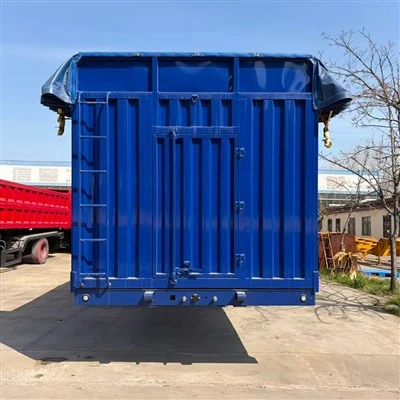
If you’re in the market for a new Sitrak dump truck, or you need parts, service advice, or just have questions about keeping your current one running, reach out. I’m here to help you make the most of your investment, no sales pressure, just real talk from someone who’s worked with these trucks day in and day out. Let’s get your fleet running smoothly – because when your trucks are up, your business is up.
Dump Semi-trailer References
Sitrak C7H Operator’s Manual, China National Heavy Duty Truck Group Co., Ltd.
Heavy-Duty Diesel Truck Maintenance Guidelines, American Trucking Associations, 2022
Construction Equipment Fleet Best Practices, Association of Equipment Manufacturers, 2023
OEM vs. Aftermarket Parts: Performance and Longevity Data, Heavy Duty Manufacturers Association, 2021
Jining Yaochi Automobile Trading Co., Ltd.
With abundant experience, we are one of the most professional sitrak dump truck manufacturers in China. Please feel free to buy cheap sitrak dump truck made in China here from our factory. Quality products and reasonable price are available.
Address: Liangshan Industrial Park, Jining City, Shandong Province, China
E-mail: Yzhiying23@gmail.com
WebSite: https://www.yaochitruck.com/
