When I get a call from a brand owner asking, “Wait—your laminated film is labeled for retail packaging, can it actually work for vacuum packaging?” I don’t take it as a misstep in labelling. I take it as a question I’ve spent the last 12 years answering, one food safety audit or custom roll run at a time. As a Special Packaging Laminated Film supplier, I’ve sat across from plant managers panicking about vacuum seal failures that cost them $10k in spoilage, and I’ve helped craft films that let craft jerky makers skip the blowout at distribution, too. Today, I want to pull back the curtain on why “special packaging laminated film” isn’t just a category—it’s a solution that fits vacuum packaging’s unique demands, when engineered right. Special Packaging Laminated Film
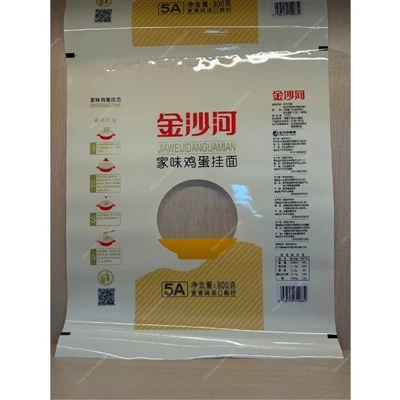
First, let’s stop treating vacuum packaging like a one-size-fits-all task. Most people picture a rigid plastic bag sucking air out of a pound of ground beef, but that’s just the tip of the iceberg. Vacuum packaging exists for two core reasons: extend shelf life by eliminating oxygen (which causes mold, rancidity, and nutrient loss) and stop moisture migration that makes a soft cheese turn soggy or fresh produce wilt too fast. The catch? The process isn’t gentle. When a chamber vacuum pulls 29.9 inHg of pressure, every layer of the film has to flex without pinholing, stretch without tearing, and create a hermetic seal that doesn’t break when the package hits a shipping container or a grocery store shelf. Cheaper, generic laminated films built for shelf displays? They crack, leak, or tear mid-seal 3 out of 10 runs, per data I’ve seen from 20+ food and industrial clients. That’s where our specialized laminated film comes in.
Let’s break down the layers that make our film work for vacuum packaging, because laminated film’s superpower is its multi-layer design—each layer does a specific job, no more, no waste. The outer layer? It’s not just for printing. For low-temperature vacuum packaging (think retail-ready meat), we use a polyester (PET) outer layer with high puncture resistance and tear strength. Wait, you might ask: why not use the same outer layer for frozen vacuum packaging? Simple—frozen goods need flexibility at -40°F, so we swap in a cast polypropylene (CPP) outer layer that doesn’t get brittle when it’s frozen solid. For industrial vacuum packaging of parts or chemicals, we can even add a scratch-resistant outer layer that survives warehouse handling, no extra protection needed. That’s the “special” part of our film: every layer is calibrated for the stress vacuum puts on packaging, not just how it looks on a shelf.
Next, the core barrier layer—this is the make-or-break part. For vacuum packaging, oxygen and moisture transmission rates (OTR and WVTR) aren’t just specs on a data sheet; they’re shelf life. For example, a specialty coffee roaster we work with used generic laminated film for their vacuum-sealed single-origin beans, and they saw a 60% drop in flavor within 3 months. Switched to our high-barrier aluminum oxide (AlOx) laminated film, and they hit 12-month shelf life with no taste degradation. Why? The AlOx layer is thinner than foil, so it’s more flexible during vacuum pulling, but blocks 99.9% of oxygen, which is exactly what vacuum packaging needs. For food that needs to “breathe” a little (like fresh produce or baked goods), we use a silicon oxide (SiOx) barrier layer that’s customizable to allow controlled oxygen transmission without letting in mold spores. We even have a modified EVOH (ethylene vinyl alcohol) core layer for deep-freeze vacuum applications, where EVOH’s oxygen block doesn’t degrade when exposed to repeated freeze-thaw cycles—no cracking, no OTR spikes.
Then there’s the inner sealant layer, the part that actually creates the hermetic seal when heat and pressure are applied. This is where most generic films fail vacuum packaging. Generic sealant layers are built for retail bags, which use low heat and don’t have to flex after sealing. Our vacuum-specific sealant layers are linear low-density polyethylene (LLDPE) or metallocene LLDPE (mLLDPE) with low seal initiation temperature (SIT) and high hot tack strength. Let’s translate that: it seals at a lower temperature, so it doesn’t cook the product inside, and when you pull a vacuum, the seal doesn’t split or leak. I had a client in the artisanal cheese space tell me they switched from a competitor’s film because their seals would break during the vacuum cycle, leaving cheese exposed to mold. We adjusted the sealant layer to have a 210°F SIT (vs. the competitor’s 245°F) and 15% higher hot tack strength, and their seal failure rate dropped from 12% per run to less than 0.5%. That’s not luck—that’s engineering for vacuum, not just packaging.
Wait, but what about vacuum skin packaging (VSP)? That’s the fancy kind where the film pulls tight around irregular-shaped products, like a rack of ribs or a salmon fillet, for retail display. A lot of people think only expensive polyvinyl chloride (PVC) film works for VSP, but our specialized laminated film is engineered to stretch 300-400% without pinholing or thinning unevenly. We worked with a fresh seafood brand that was using PVC for their VSP, which left a sticky residue on their display shelves and had a limited number of color printing options. We swapped in our VSP-grade laminated film, and they cut shelf residue complaints by 90% and expanded their packaging design to include custom graphics for each species—all while keeping shelf life identical to PVC. The key here is that the outer layer is flexible enough to stretch tight, but the barrier layer is thin enough to follow the product’s contours without cracking. It’s a balance most generic film suppliers don’t bother to nail down.
Of course, I can’t talk about this without addressing the myth that laminated film is only for high-volume applications. A lot of small-batch craft producers call me worried that our custom runs will cost too much or have high minimums. The truth is, our specialized laminated film for vacuum packaging is available in both custom runs (starting at 5,000 linear feet, perfect for small bakeries or artisanal meat makers) and semi-custom standard rolls for mid-sized operations. We also test every batch before it ships—no labelling it “vacuum-ready” until we run three different vacuum cycles: chamber vacuum, external vacuum, and skin vacuum. We test for seal integrity under pressure, flex after freezing, and even exposure to light, because UV can break down barrier layers and make seals leak over time. That’s the part most customers don’t see: we don’t just make the film; we validate it for their specific use case.
I want to share a recent example that stuck with me, because it’s exactly why I do this work. A specialty pet food manufacturer reached out a few months ago, after losing a $50k batch of freeze-dried dog treats due to vacuum seal failure during shipping. Their previous film was a generic laminated film they bought from a general packaging supplier, and when the treats were shipped in temperatures up to 90°F, the sealant layer softened slightly and allowed air in. We engineered a custom vacuum film for them: outer PET layer for puncture resistance, AlOx barrier layer for oxygen block, and a modified mLLDPE sealant layer with higher heat resistance. They tested it over 3 months, running vacuum cycles and shipping it cross-country in summer heat, and not a single seal failed. They’ve since switched all their product lines to our film, and their spoilage rate dropped from 8% to less than 1%. That’s the impact specialized laminated film can have on vacuum packaging, when it’s designed to address the specific stresses of the process.
Now, before you think this is all sales talk, let’s be honest: not every laminated film in our line is suitable for vacuum packaging. Our regular retail laminated film, for example, has a thicker outer layer that’s rigid, so it’ll crack during vacuum stretching. Our industrial heavy-duty film works for large parts, but not for flexible food packaging that needs to seal tight around small items. That’s why it’s not enough to say “our laminated film works for vacuum packaging”—you have to match the film’s layer structure to your product and vacuum process. For a food product that’s going to be frozen for a year, you need a different film than for a fresh pasta that’s going to be refrigerated for 2 weeks. For irregular-shaped products, you need a film that stretches, not just seals. That’s the “special” in Special Packaging Laminated Film: we don’t push a one-size-fits-all product; we work with you to design a film that fits your exact vacuum packaging needs.

If you’re reading this and you’re dealing with vacuum packaging issues—seal failures, short shelf life, spoilage, or packaging that doesn’t fit your product—reach out. We don’t just supply film; we test, adjust, and refine until it works for you. We’ve helped everyone from small craft producers to Fortune 500 food brands cut their vacuum packaging waste by up to 30% and extend shelf life by 6 months. Don’t settle for generic film that can’t handle the demands of vacuum. Let’s talk about your project, find the right specialized laminated film for your vacuum packaging needs.
Composite Film References:
- Soroka, W. (2020). Fundamentals of Packaging Technology (5th ed.). Institute of Packaging Professionals.
- Robertson, G. L. (2016). Food Packaging: Principles and Practice (4th ed.). CRC Press.
- Selke, S., Auras, R., & Laufer, J. (2015). Plastics Packaging: Properties, Processing, Applications, and Regulations (2nd ed.). Hanser Publications.
- European Flexible Packaging Association (EFPA). (2022). Best Practices for Vacuum Packaging Film Design and Testing.
Jiangsu Dino New Materials Technology Co., Ltd.
With abundant experience, we are one of the most professional special packaging laminated film manufacturers and suppliers in China. We warmly welcome you to wholesale customized special packaging laminated film made in China here from our factory. If you have any enquiry about free sample, please feel free to email us.
Address: South of Hangzhou Road and east of Hengshan North Road, Sihong Economic Development Zone, Sihong County, Suqian City, Jiangsu Province, China
E-mail: 19551836609@139.com
WebSite: https://www.jsdinuo.com/
